Introduction
The Broken Home: How It Shapes a Child’s Future
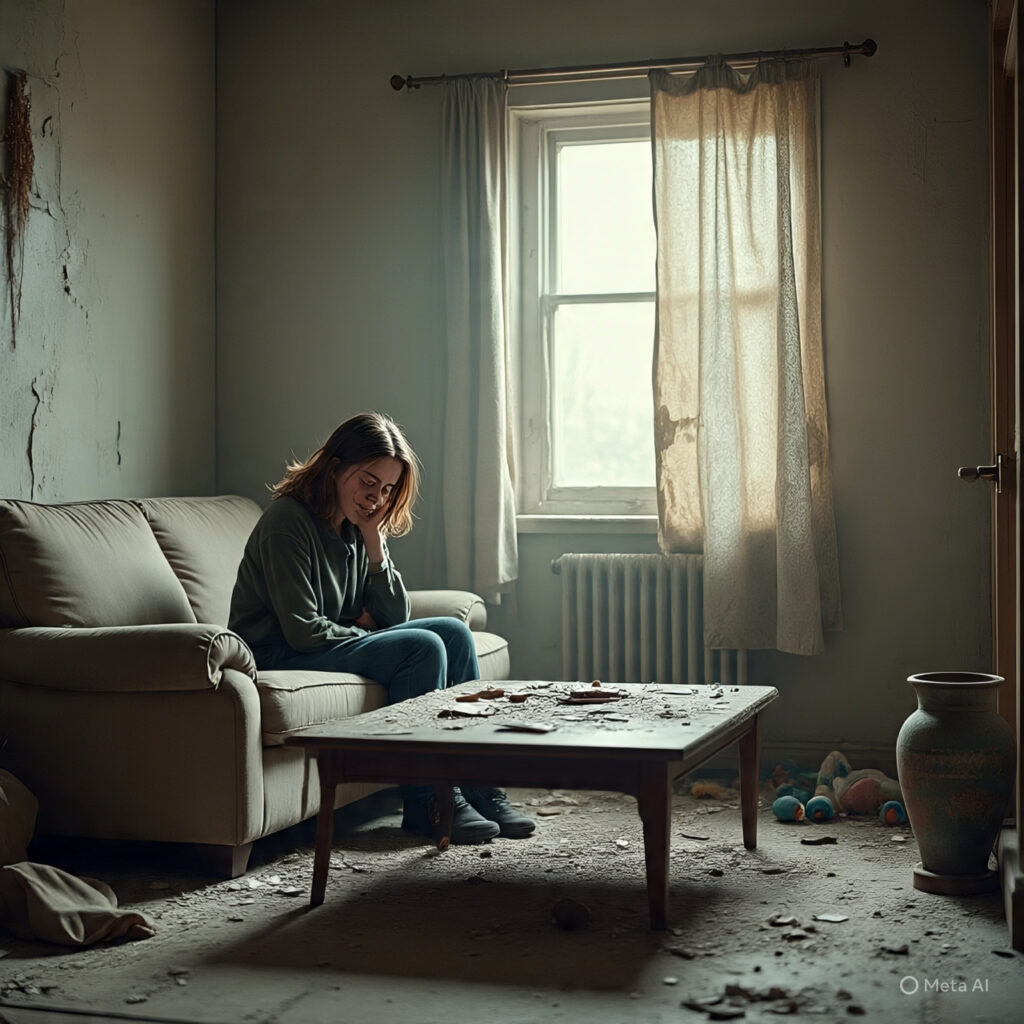
Growing up in a broken home can be a real challenge for kids. When parents separate, divorce, or constantly fight, it creates an environment that affects children’s emotional, social, and academic development. The broken home leaves lasting scars, influencing how kids see themselves and interact with the world.
The Emotional Toll of a Broken Home
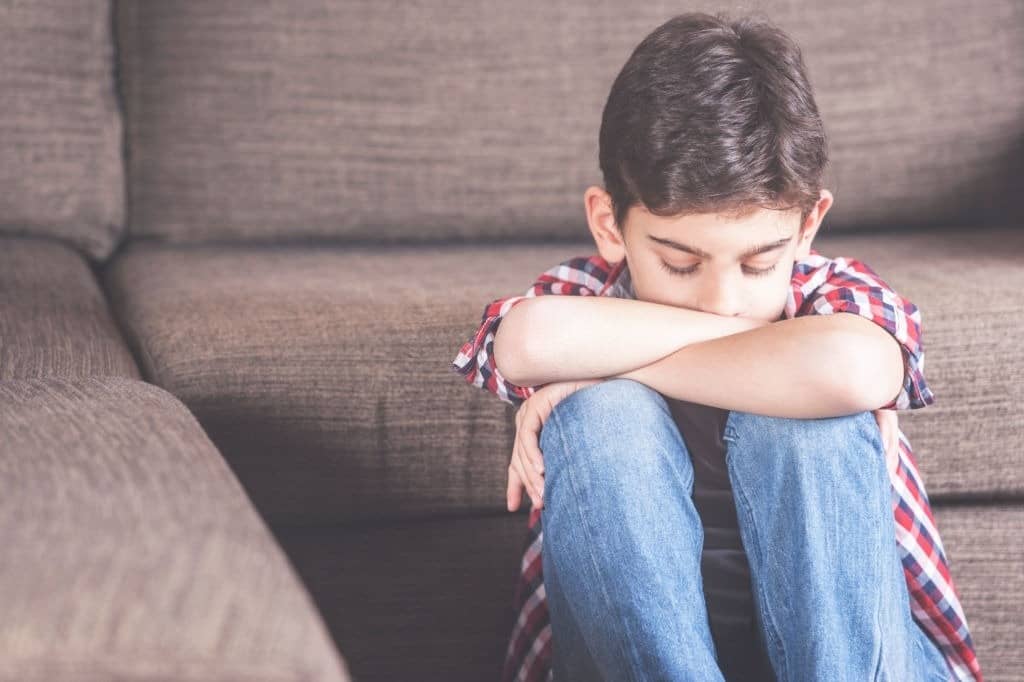
Kids in broken homes often struggle emotionally. They feel sad, angry, scared, or abandoned. The absence of one parent or constant conflict makes them feel insecure and unloved, leading to low self-esteem and depression. These feelings can stick with them into adulthood, affecting relationships and mental health.
Behavioral Challenges in Broken Homes
Kids from broken homes often act out. They might have discipline issues, become aggressive, or withdraw from friends and activities. Without guidance, some turn to substance abuse or get in trouble with the law. These behaviors are often cries for help, signs that they’re struggling to cope.
Academic Struggles in Broken Homes
School can be tough for kids from broken homes. Emotional stress and lack of support at home make it hard to focus, leading to poor grades and lost opportunities. These kids often need extra support to catch up and thrive.
Breaking the Cycle of Broken Homes
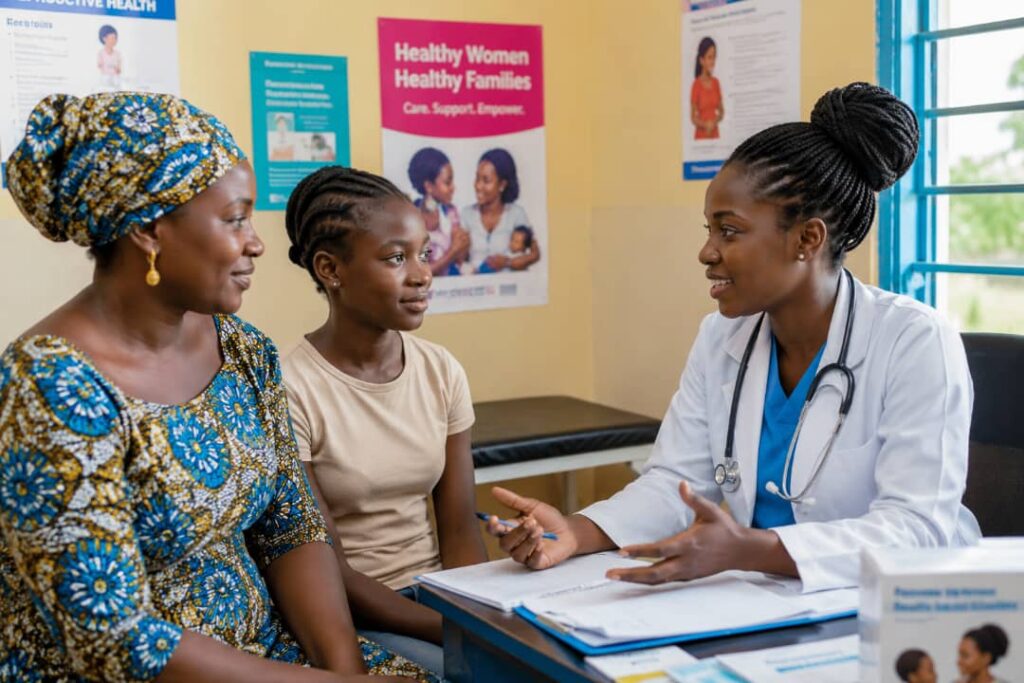
To help kids from broken homes, we need to provide support systems. Counseling, mentorship, and stable relationships can make a big difference. Communities and schools can offer resources to help these kids succeed.
Necessary Ingredients for Healing:
– Supportive relationships with trusted adults
– Access to counseling and mental health services
– Stable and loving environments
– Encouragement and support for education
Conclusion
The broken home doesn’t have to define a child’s future. With the right support, kids can overcome challenges and thrive. Let’s work together to provide the tools they need to break the cycle and build stronger futures 🌟.