Introduction
How Watching Domestic Violence at Home Changes How Siblings Behave
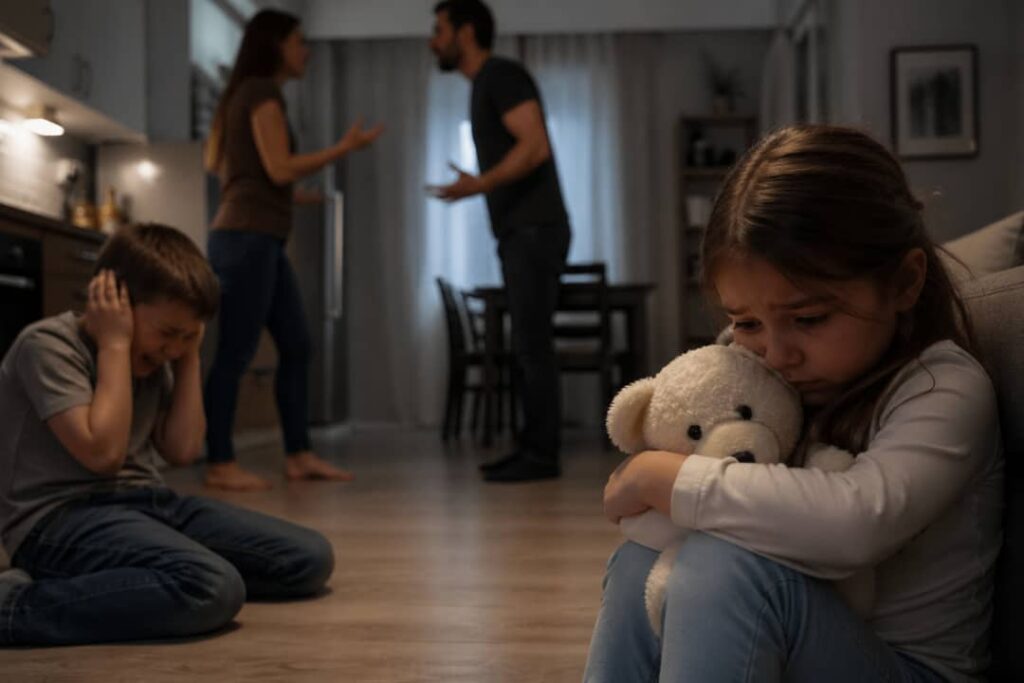
People often think domestic violence only hurts the couple fighting. But kids who watch it happen carry a deep pain too. The Impact of Sibling Exposure to Domestic Violence on Behavioral Outcomes is real and serious. When brothers and sisters grow up seeing the same violence, they don’t all react the same way. This exposure shapes how they act at home, in school, and with friends. Once violence becomes normal in a child’s life, it rewires how they think, feel, and treat others.
Why Siblings React Differently to the Same Violence
Even when kids live in the same house, they experience violence differently. Age matters. Personality matters. How strong they feel inside matters too. For example, the oldest child might try to protect the younger ones during a fight. Meanwhile, the youngest might feel scared and confused. So the Impact of Sibling Exposure to Domestic Violence on Behavioral Outcomes looks different for each child, even in one family.
Common Behavior Changes You’ll Notice
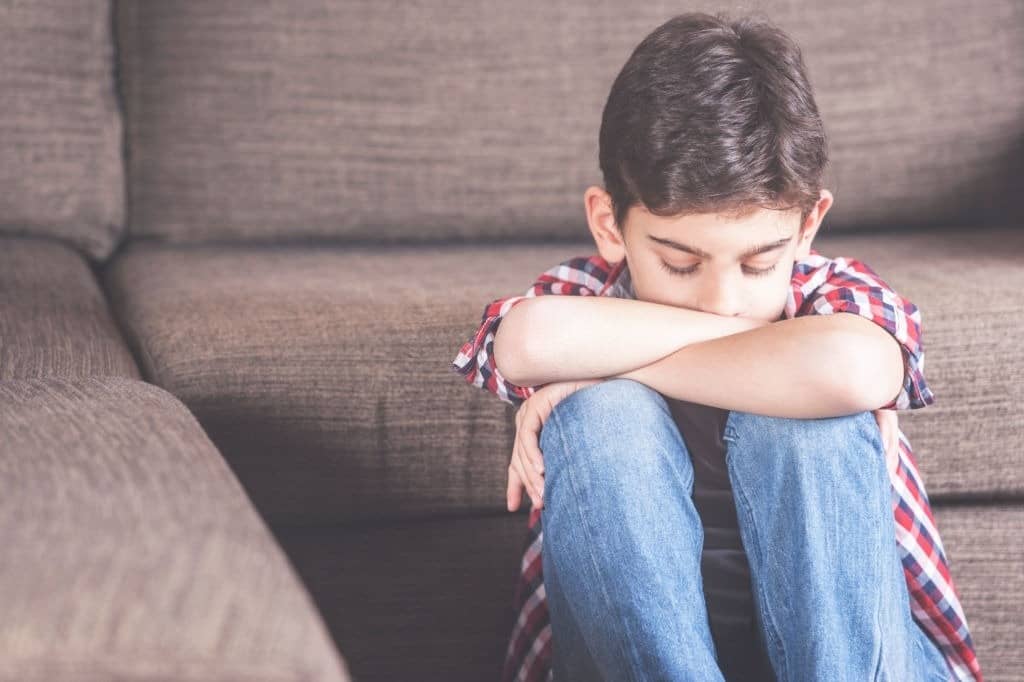
Kids who see violence at home often change over time. Some become loud, angry, or start trouble at school. Others go quiet, feel afraid, and avoid friends. Also, many struggle to focus in class. Their grades can drop. Their friendships suffer too. Teachers and friends notice these shifts first. That’s how *The Impact of Sibling Exposure to Domestic Violence on Behavioral Outcomes* shows up outside the home.
The Heavy Roles Siblings Take On
To survive, siblings create “jobs” for themselves. One child becomes the protector. Another stays silent to avoid more fights. A third might cling to anyone who feels safe. These roles cause stress. Sometimes siblings fight because they don’t understand each other’s fear. This tension is another way violence harms the whole family.
What Happens When Kids Grow Up Without Help
If nobody steps in, these behaviors follow kids into adulthood. Many struggle to trust people. Relationships feel hard. Emotions swing up and down. But there’s hope. Early help changes things. School counselors, therapy, and safe homes help kids heal. With support, we can reduce the Impact of Sibling Exposure to Domestic Violence on Behavioral Outcomes and help kids build better lives.
Conclusion
Domestic violence hurts everyone in the house, especially children who witness it together. Every child feels it, but each one responds in their own way. So families, schools, and communities must team up. We need to offer safety, support, and healing. That’s how we help these kids grow into strong, healthy adults.