Introduction
How a Child’s Environment Shapes Education for Life
Education is one of the best gifts you can give a child. It shapes how they think, builds their character, and prepares them for the future. But education does not stop at books and teachers. The environment around a child plays a huge role in how well they learn and grow. When we talk about *child education and its environment, we mean both the lessons children get and the places and people that influence them every day.
What Child Education Really Means
Child education is more than memorizing facts in a classroom. It is the process of teaching and guiding children to gain knowledge, skills, morals, and values. It starts from early childhood and continues as the child grows. Through education, children learn to read, write, solve problems, and relate with others.
Learning also happens at home, in places of worship, and in the community. Every conversation, experience, and example a child sees shapes their understanding of life.
Why the Environment Matters
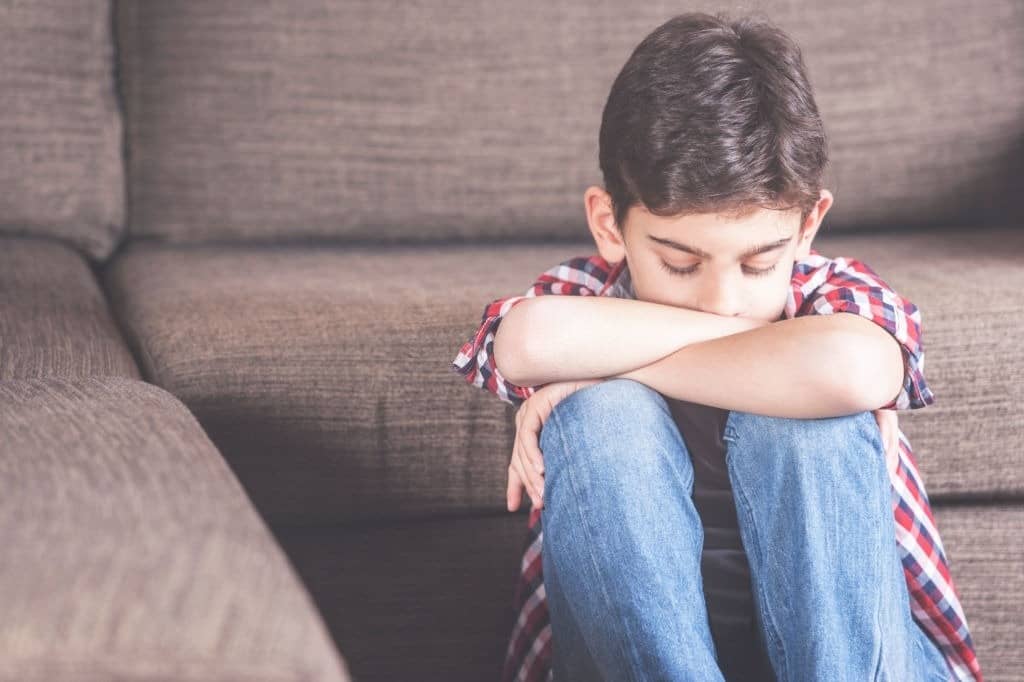
The environment includes everything around a child: the home, school, neighborhood, friends, and cultural beliefs. A peaceful and supportive environment makes learning easier. A harmful or chaotic environment can hurt a child’s focus, confidence, and emotional health.
A good environment helps children in 5 key ways:
1. Better Learning: Children focus and understand lessons faster when they feel safe and supported.
2. Strong Character: Kids copy what they see. When they grow up around respect, honesty, and kindness, they adopt those values.
3. Emotional Growth: Love and encouragement from parents and teachers help children feel confident to speak up and try new things.
4. Social Skills: A positive environment teaches children how to communicate, cooperate, and respect different opinions.
5. Academic Success: Access to books, good food, and guidance gives children a stronger chance to do well in school.
Types of Environments That Influence Learning
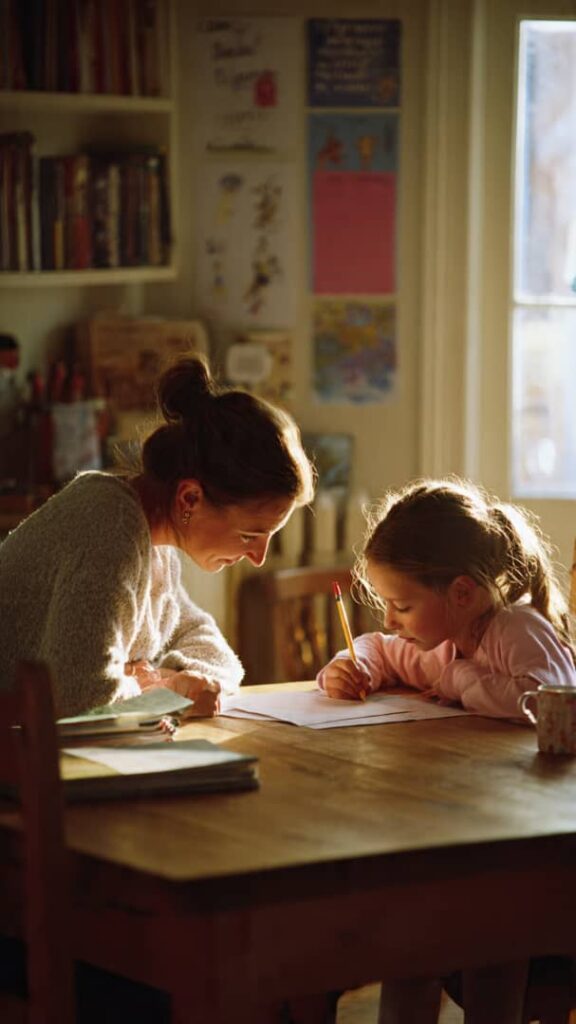
Home Environment: The home is a child’s first school. Parents set the tone for how children view education. A home with love, discipline, and encouragement pushes children to take learning seriously.
School Environment: Teachers, classmates, classrooms, and learning materials all matter. Clean classrooms, good libraries, and qualified teachers make a big difference.
Social Environment: Friends and neighbors influence behavior. Good friends encourage positive habits, while bad company can lead children astray.
Cultural and Religious Environment: Culture and religion shape a child’s values. Positive teachings help children grow into responsible and respectful adults.
Problems That Get in the Way
Many children struggle because of poverty, child labor, poor school facilities, lack of parental support, violence, peer pressure, and unsafe communities. These challenges reduce a child’s interest in school and limit their future opportunities.
Simple Solutions That Work
We can change this if we all play our part:
1. Parents should support and encourage learning at home.
2. Governments should provide quality schools and materials.
3. Teachers should create classrooms that feel safe and motivating.
4. Communities should protect children from violence and harmful activities.
5. Teach children moral values and discipline early.
6. Give both boys and girls equal access to education.
Conclusion
Child education and its environment go hand in hand. A child who grows up in a positive environment stands a better chance of succeeding in school and in life. Families, schools, governments, and communities all share the responsibility to create safe, supportive spaces for children. When we invest in both education and the environment around children, we build a stronger and brighter future for the next generation.