Introduction
How Emotional and Financial Support Helps Women Rebuild After Domestic Violence
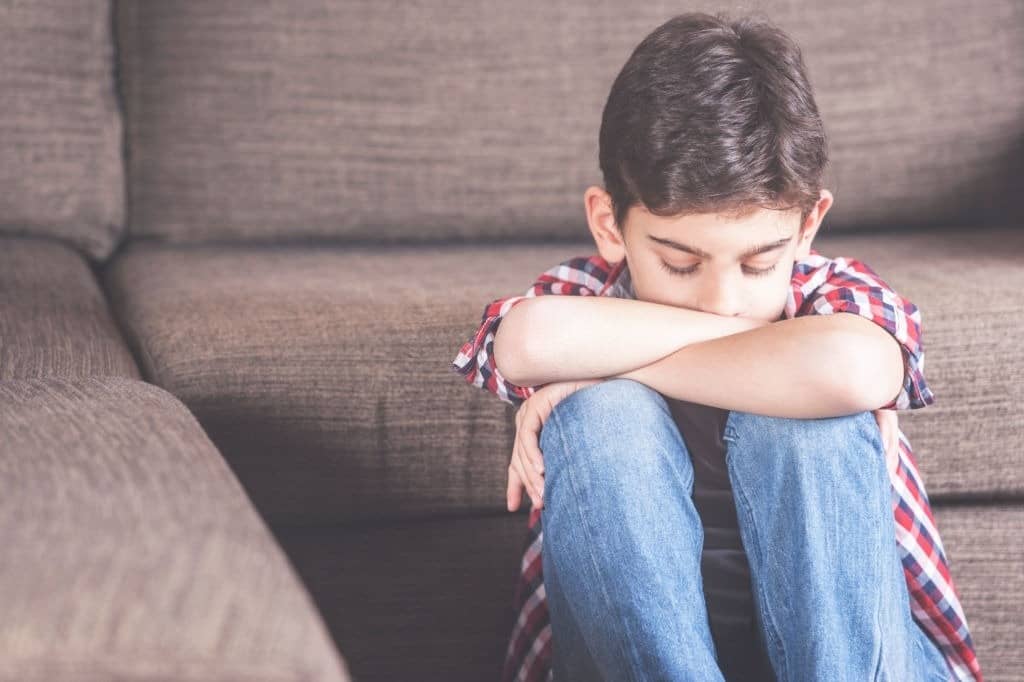
Domestic violence hurts women in ways we can see and in ways we cannot. It damages the body, but it also breaks confidence, steals peace of mind, and drains finances. Many women who leave abuse deal with fear, shame, job loss, and loneliness. Safety alone will not fix this. To truly recover, women need emotional and financial support that helps them start over.
When we talk about *the impact of emotional and financial support on the rehabilitation of women surviving domestic violence*, we mean giving them tools to heal and stand on their own again. This kind of support cuts down the chances of going back to an abuser. It also builds long-term health and hope.
Why Emotional Support Matters
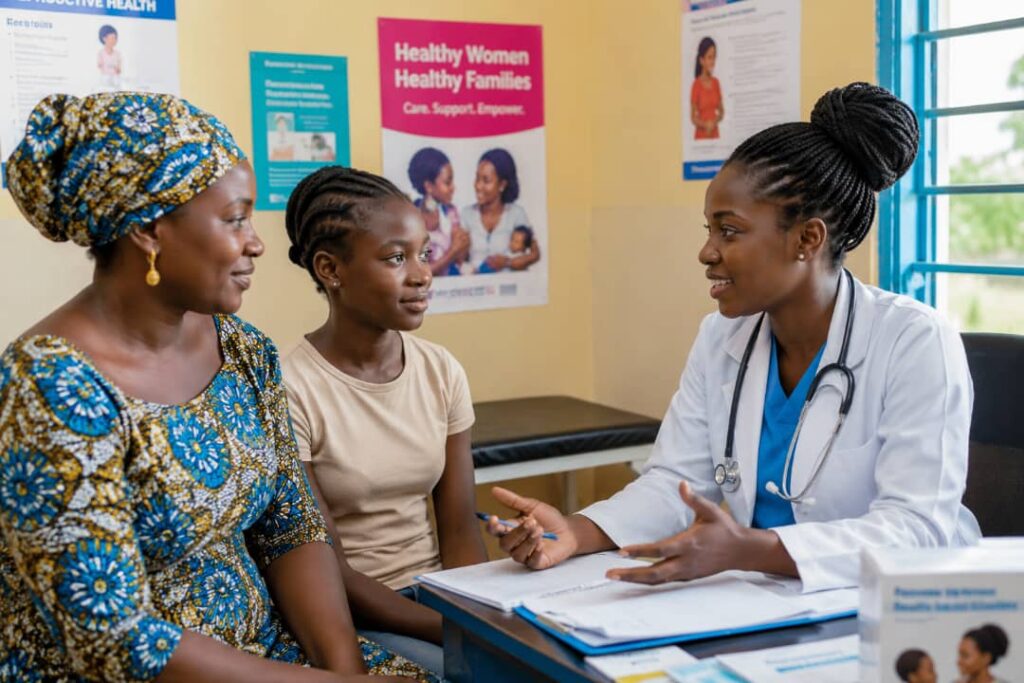
First, emotional support gives women a safe place to talk. Counseling, therapy, and mentorship let them share pain, work through trauma, and learn new ways to cope. Step by step, survivors learn to trust themselves and others again.
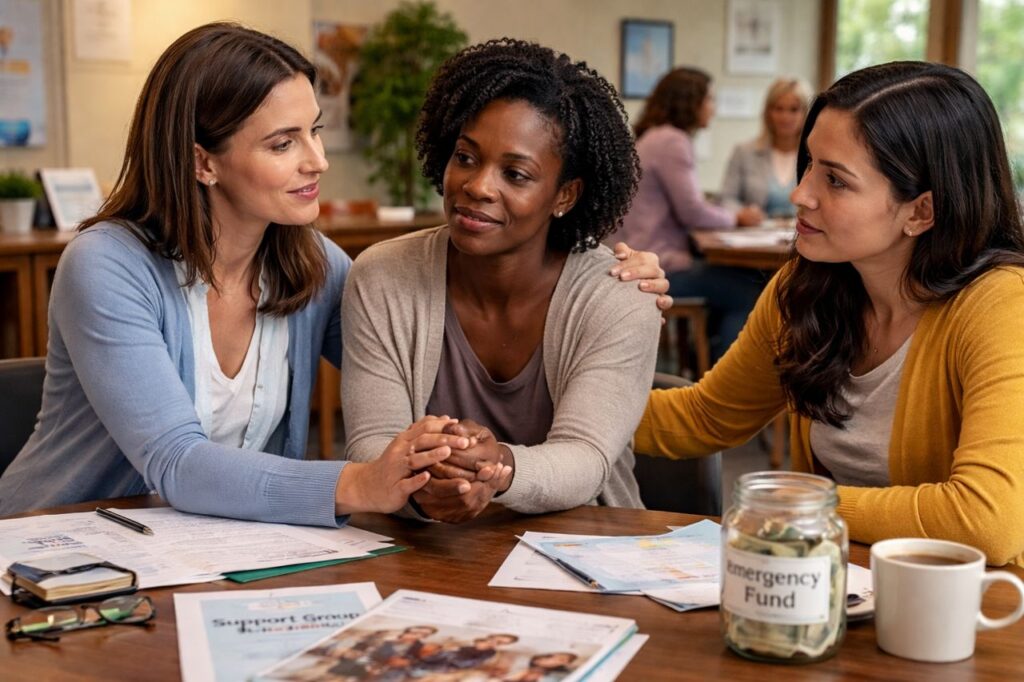
Support groups make a big difference too. When a woman meets others who survived the same thing, she feels less alone. She sees real proof that healing happens. That connection sparks strength and courage to move forward.
How Financial Support Changes Lives
Next, money problems keep many women stuck. Without income, leaving feels impossible. Vocational training, small grants, or microloans change that. They help women learn skills, get jobs, or start small businesses.
Once a woman earns her own money, she can choose freely for herself and her kids. She can pay rent, buy food, and send children to school. Financial stability builds a solid floor for her new life.
Better Together: The Combined Impact
The strongest programs mix both kinds of help. Emotional support heals the heart and mind. Financial support secures the wallet and home. Together, they show the full *impact of emotional and financial support on the rehabilitation of women surviving domestic violence*. Women get the care they need and the power to live on their own terms.
Real Challenges We Must Fix
Still, many women cannot get this help. Common barriers include:
– Programs run out of money
– Few trained counselors in local areas
– Stigma that makes survivors hide
– Long travel to reach services
To solve this, governments, NGOs, and neighbors must team up. Fund programs, train more helpers, speak up to end shame, and bring services closer to communities.
Conclusion
The impact of emotional and financial support on the rehabilitation of women surviving domestic violence is huge. It gives women back their dignity. It builds independence and opens doors to a better future. When we invest in full support, we do more than protect women. We help them thrive and end the cycle of abuse for the next generation.