Introduction
The Healing Palette: How Art Therapy Helps Kids Recover from Abuse
Child abuse leaves deep scars, but art therapy is a powerful tool helping kids heal. Let’s explore how it works and its benefits.
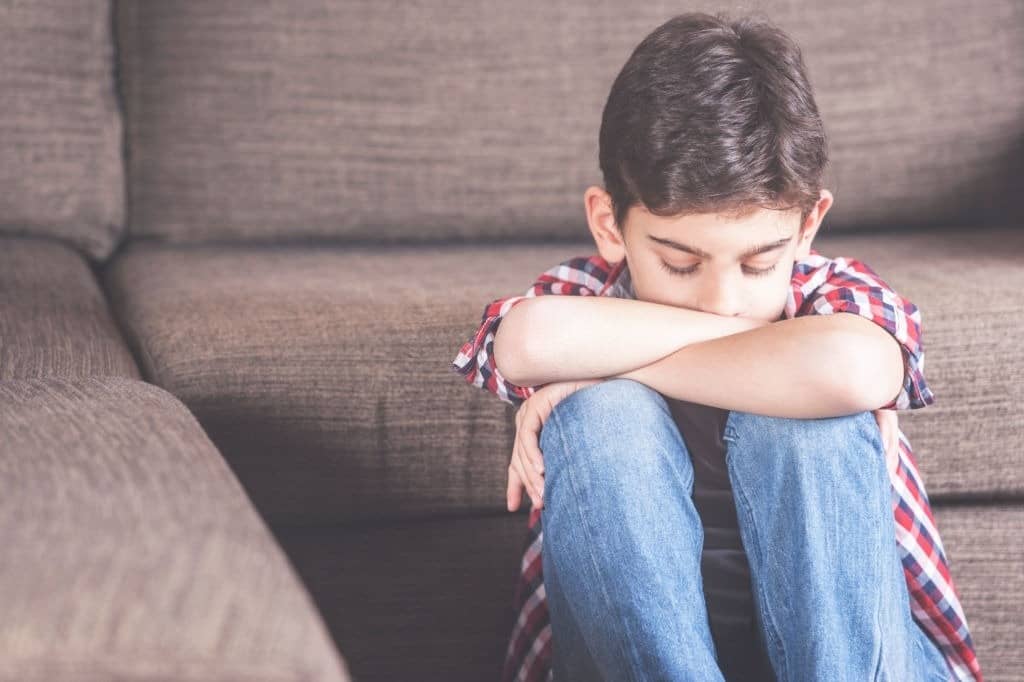
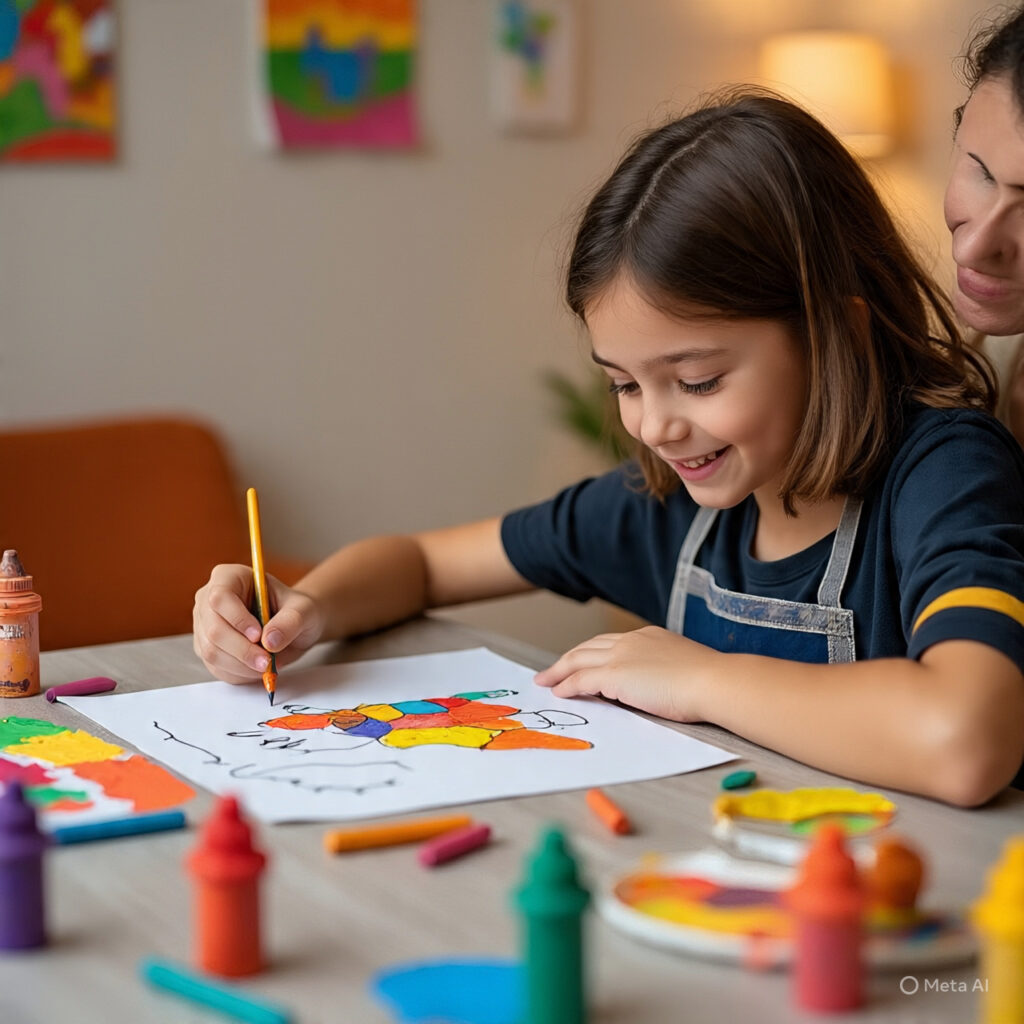
Abuse shatters a child’s sense of safety and trust, leading to anxiety, depression, and more. However, art therapy gives kids a non-verbal outlet to express emotions and process trauma. Trained therapists interpret their artwork, building trust and promoting healing. Therefore, therapies as seen as mind calming measures, are very much needed and necessary for such victims.
Benefits of Art Therapy
1. Emotional Release: Kids express and manage emotions, reducing anxiety and depression.
2. Healing Trauma: Art helps kids reframe traumatic experiences, promoting cognitive restructuring.
3. Confidence Boost: Artistic accomplishments build self-esteem and confidence.
4. Communication Skills: Art therapy develops communication skills, helping kids articulate emotions.
5. Resilience Building: Kids learn coping mechanisms, managing stress and building resilience.
Best Practices
1. Trauma-Informed Care: Therapists ensure a safe environment.
2. Non-Directive Approach: Kids lead the creative process, taking control.
3. Cultural Sensitivity: Therapists adapt to individual needs.
4. Teamwork: Art therapists work with other professionals for comprehensive care.
Challenges and Next Steps
We need more trained therapists, especially in low-resource settings. Research and evaluation are crucial to prove art therapy’s effectiveness. Let’s integrate it into mainstream care.
Conclusion
Art therapy is a beacon of hope for kids recovering from abuse. By harnessing its power, we can help them heal, grow, and thrive. Let’s scale up art therapy programs and create a brighter future for these kids 😊.