Introduction
How Domestic Abuse Affects Young Children: Signs Every Parent Should Know
Home should be a place where children feel safe, loved, and free to grow. When domestic abuse happens at home, that sense of safety can change quickly. A child may hear shouting from another room, see a caregiver in distress, find broken belongings, or feel the tension that fills the house.
Even when a child is not directly hurt, domestic abuse can still affect them deeply. Children may experience fear, confusion, guilt, and uncertainty. They may not have the words to explain what is happening, but their emotions and behavior often speak for them.
Domestic abuse is not only physical violence. It can include emotional abuse, threats, controlling behavior, sexual abuse, financial control, stalking, and intimidation. The NSPCC explains that children can experience domestic abuse directly or indirectly, including by hearing abuse, seeing someone they love in distress, or being affected by the loss of a stable home.
Every child deserves protection from violence. Every parent and caregiver deserves support without judgment.
How domestic abuse affects a child’s emotions
Young children depend on adults to help them feel secure. When one caregiver harms or controls another, children may begin to believe that the world is unsafe.
They may feel:
– Afraid of what will happen next
– Worried that a parent or caregiver will be hurt
– Guilty or responsible for the abuse
– Confused about loving and fearing the same adult
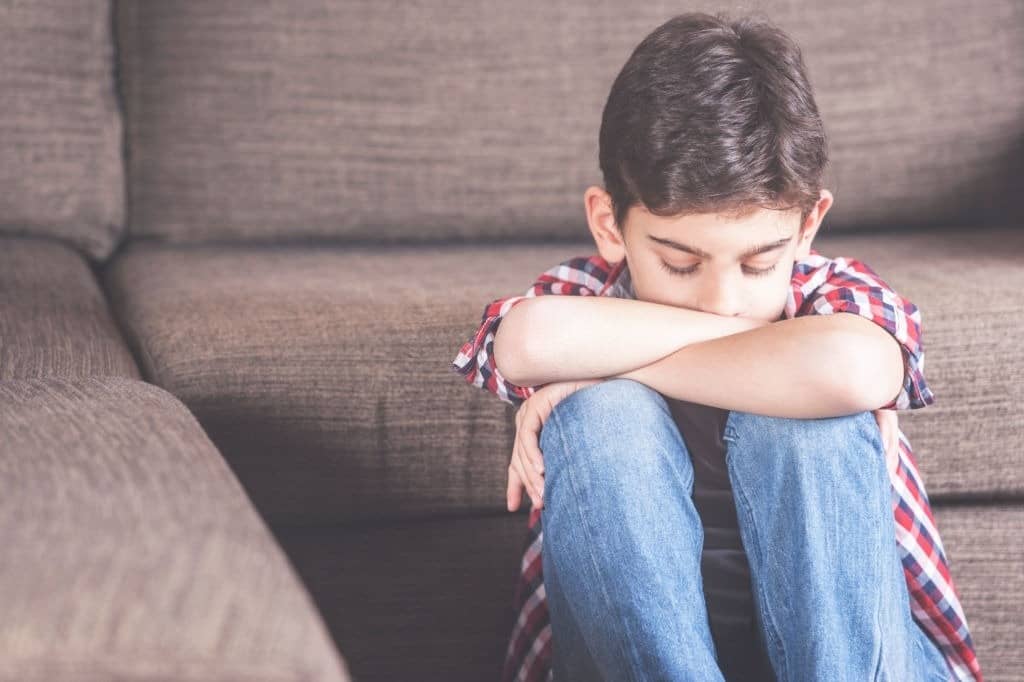
– Sad, helpless, or emotionally numb
– Anxious when separated from a trusted caregiver
– Ashamed to talk about what happens at home
Some children become extremely watchful. They listen for changes in an adult’s voice or footsteps in the house. They may try to keep everyone calm by staying quiet, hiding, or taking responsibility for things that are not their fault.
Other children may appear unaffected. They may laugh, play, or continue with daily activities. This does not always mean they are not struggling. Children respond to trauma in different ways, and some hide their feelings to protect themselves or the adults they love.
Behavioral signs parents and caregivers may notice
Domestic abuse can affect how children behave at home, at school, and around other children. A child may act out because they do not yet know how to express fear or confusion.
Common behavioral signs include:
– Frequent tantrums or sudden anger
– Fighting with siblings or classmates
– Becoming unusually quiet or withdrawn
– Clinging strongly to one caregiver
– Difficulty separating at school or childcare
– Bed-wetting, thumb-sucking, baby talk, or other regression
– Nightmares or fear of sleeping alone
– Repetitive play involving fighting, danger, or rescue
– Trouble concentrating or completing schoolwork
– Loss of interest in friends, games, or activities
– Changes in eating habits
– Headaches, stomachaches, or frequent physical complaints
It is important not to label a child as “bad,” “difficult,” or “attention-seeking.” Their behavior may be a way of communicating that they do not feel safe.
A child may also try to protect the abused caregiver. They may stand between adults, call for help, hide younger siblings, or believe it is their job to prevent arguments. No child should carry that responsibility. Adults and support services must help create safety.
The impact on development and learning
Children need consistent care and calm surroundings for healthy development. Ongoing fear can make it difficult for a child to focus on play, learning, communication, and relationships.
For babies and toddlers, domestic abuse may disrupt feeding, sleep, attachment, and emotional regulation. A baby may cry more often, startle easily, struggle to settle, or become unusually passive. Toddlers may become clingy or show skills they had previously outgrown.
For preschool and school-aged children, stress may affect speech, concentration, memory, self-control, and social skills. A child who is constantly alert to danger may find it difficult to listen in class or follow instructions. School performance may change. Friendships may become harder to manage.
Early school-aged children
A child may blame themselves, struggle at school, complain of headaches or stomach pain, withdraw from friends, become aggressive, or worry constantly about a parent’s safety.
These signs can have many causes. They do not prove that domestic abuse is happening. However, a sudden or ongoing change deserves a calm and caring response.
How caregivers can support a child
The first priority is safety. If you or a child are in immediate danger, contact emergency services or a trusted local protection service. Do not confront an abusive person if doing so could increase the danger.
When it is safe to do so:
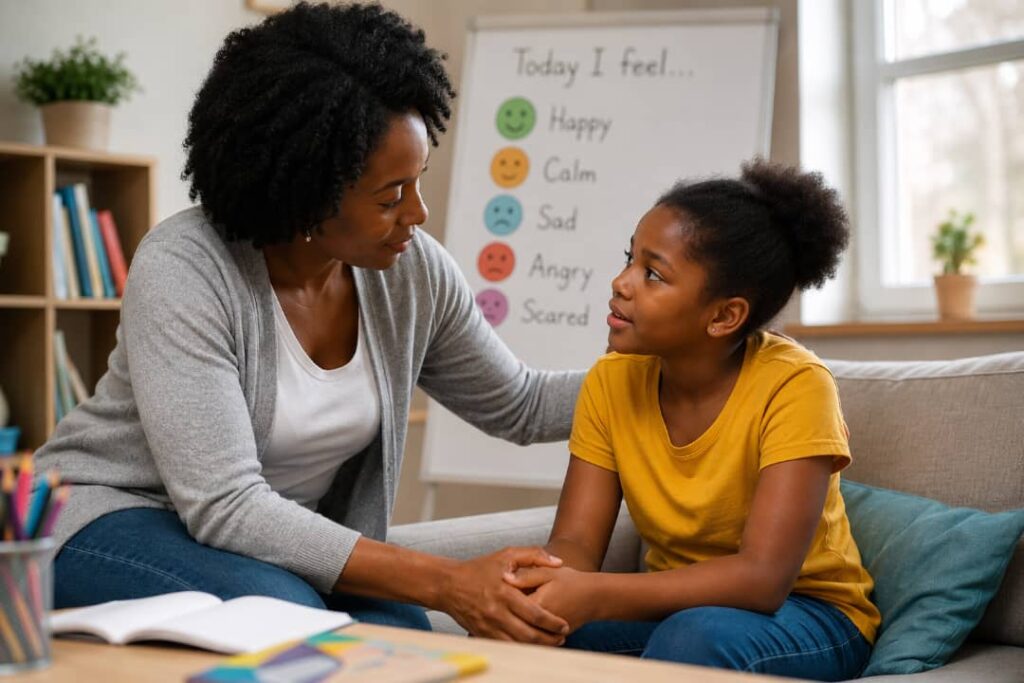
1. Reassure the child. Say clearly, “This is not your fault,” and “You are not responsible for stopping adults from hurting one another.”
2. Listen without pressure. Let the child speak in their own words. Avoid asking leading questions or demanding details.
3. Name what is true. Explain that hitting, threats, insults, and controlling behavior are not healthy or acceptable.
4. Create predictable routines. Regular meals, bedtime, school, and comforting activities can help restore a sense of security.
5. Offer calm connection. Read together, play, sit nearby, and respond patiently when the child is afraid.
6. Do not ask the child to keep unsafe secrets. Explain that trusted adults may need to know so they can help keep everyone safe.
7. Work with supportive professionals. A teacher, doctor, counselor, social worker, or child protection professional can help assess the child’s needs.
The wellbeing of the non-abusing caregiver matters too. A supported parent is better able to provide comfort, structure, and protection. Asking for help is not weakness. It is a protective step for both the caregiver and the child.
How counseling and prevention services can help
Professional counseling gives children a safe place to express feelings and understand what happened. Younger children may benefit from play-based counseling. Older children may use talking therapies, creative activities, or group support. A trained professional can recommend the most appropriate approach.
Counseling can help children:
– Understand that the abuse was not their fault
– Manage fear, anger, sadness, and stress
– Improve sleep and concentration
– Build confidence and healthy boundaries
– Strengthen their relationship with a safe caregiver
– Learn what respectful and healthy relationships look like
Conclusion
Domestic abuse can leave a child feeling frightened and powerless. But safety, care, and early support can make a meaningful difference. One trusted adult can help a child feel heard. One stable routine can bring comfort. One professional conversation can open the door to healing.
Children should not have to grow up believing that violence is normal. They deserve homes built on peace, respect, and care.