Introduction
Affordable Healthcare: A Lifeline for Vulnerable Women and Girls
Good healthcare should never be something that only people with money can enjoy. Every woman and girl deserves access to safe, affordable, and quality healthcare, no matter her background or financial situation. Yet, many vulnerable women and girls still struggle to get the medical care they need. Therefore, a Lifeline for Vulnerable Women and Girls matters.
Poverty, distance, lack of information, fear of judgment, and limited healthcare facilities can stop them from seeking help. Some families, even the cost of transportation to a hospital can become a serious burden.
Access to affordable healthcare can change this situation. It can help vulnerable women and girls protect their health, build confidence, stay in school or work, and live more independent lives.
Why Affordable Healthcare Matters
Healthcare affects almost every part of our lives. When women and girls can visit a healthcare professional early, they can identify health problems before those problems become more serious.
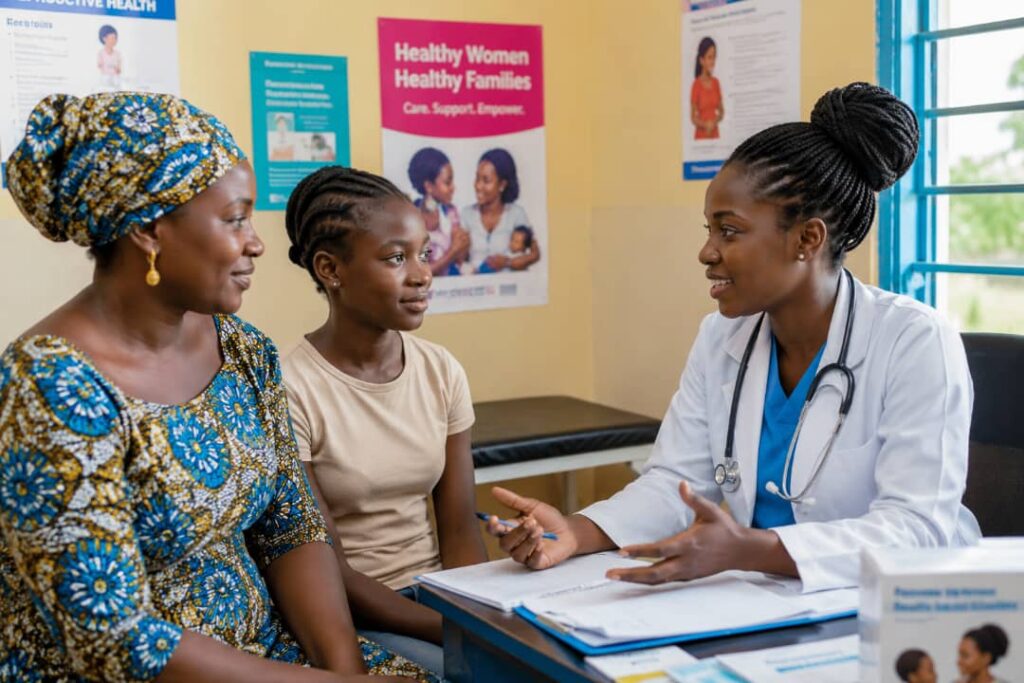
For vulnerable women, affordable healthcare can provide access to maternal care, reproductive health services, treatment for common illnesses, mental health support, and health education. it can provide important information about puberty, menstrual health, nutrition, personal hygiene, and healthy relationships.
For example, a teenage girl who understands her menstrual cycle may feel more confident about asking questions when something does not seem right. She can also learn how to care for herself without feeling ashamed.
In the same way, a mother who can afford regular medical care can protect her own health while continuing to care for her children and contribute to her family.
Barriers To Accessing Healthcare
Although healthcare remains important, several challenges makes it difficult for vulnerable women and girls to receive it.
1. The Cost of Medical Care
Medical bills can quickly become difficult for low-income families. Consultation fees, medicines, laboratory tests, transportation, and other expenses may cause people to delay treatment.
Unfortunately, delaying treatment can sometimes turn a small health problem into a bigger one.
2. Distance From Healthcare Facilities
Women and girls who live in rural or underserved communities may travel long distances before they reach a hospital or clinic. This challenge becomes even more serious during pregnancy, emergencies, or other situations that require quick attention.
3. Lack of Health Information
Some women and girls do not know where to find reliable healthcare services. Others may not understand the signs of certain illnesses and may ignore symptoms until their condition becomes worse.
Simple and clear health education can help people make better decisions about their health.
4. Fear, Stigma, and Social Pressure
Fear of judgment can also stop women and girls from seeking help. Some may feel uncomfortable discussing reproductive health, mental health, sexual health, or experiences of violence.
Healthcare workers and community leaders can help by creating spaces where women and girls feel respected, listened to, and safe.
How Affordable Healthcare Improves Well-Being
Affordable healthcare does more than treat illness. It can improve the overall well-being of vulnerable women and girls.
When women receive timely medical care, they can manage health problems and reduce the chances of serious complications. Access to maternal healthcare can also help pregnant women receive the support they need during pregnancy and after childbirth.
For girls, healthcare access can support healthy growth and development. Menstrual health education, nutrition support, routine check-ups, and age-appropriate health information can help girls understand their bodies and make informed choices.
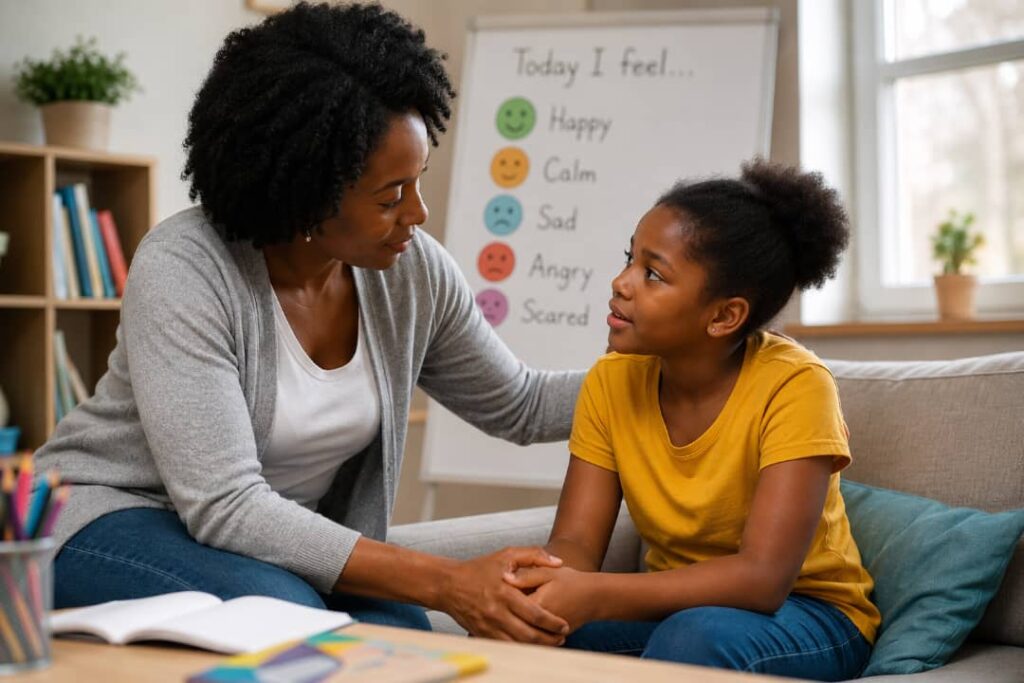
Healthcare can also support emotional well-being. A woman who has experienced domestic violence, poverty, displacement, or another difficult situation may need more than physical treatment. She may also need counseling, emotional support, and a safe person who can listen without judgment.
This is why access to affordable healthcare should form part of wider efforts to protect vulnerable women and girls.
What Can Communities Do?
Improving healthcare access requires teamwork. Governments, NGOs, healthcare providers, schools, community leaders, and families can all play a role.
Some practical steps include:
Providing free or low-cost healthcare services for vulnerable groups.
Bringing mobile clinics to rural and underserved communities.
Providing simple health education in schools and communities.
Improving access to maternal and reproductive healthcare.
Supporting menstrual health education for girls.
Connecting survivors of violence with medical and psychological support.
Training healthcare workers to treat women and girls with respect.
Creating confidential spaces where people can discuss sensitive health concerns.
Helping low-income families understand available healthcare support.
These steps can make a real difference, especially for women and girls who already face financial and social challenges.
The Benefits Go Beyond the Individual
When a woman enjoys good health, her family can also benefit. A healthy mother can work, care for her children, pursue education or skills training, and participate more actively in her community.
Healthy girls can attend school more regularly, focus on their education, develop confidence, and pursue their dreams.
Therefore, investing in affordable healthcare for vulnerable women and girls does not only improve individual lives. It can strengthen families and contribute to healthier communities.
Conclusion
The role of access to affordable healthcare in improving the well-being of vulnerable women and girls cannot be ignored. Healthcare gives women and girls the opportunity to receive timely treatment, understand their bodies, protect their emotional well-being, and make informed decisions about their health.
However, improving healthcare access requires more than building hospitals. Communities need affordable services, reliable health information, trained healthcare workers, accessible facilities, and safe environments where women and girls can seek help without fear or shame.
Every woman and girl deserves the chance to live a healthy and confident life. By making affordable healthcare easier to reach, we can protect vulnerable women and girls today while creating stronger and healthier families for tomorrow.