
Introduction
How Housing Conditions and Overcrowding Fuel Domestic Violence and Child Abuse in Urban Communities
Home should be the safest place for every child and adult. But for many families in urban communities, home feels crowded, noisy, and stressful.
The reality is simple: high rent, poverty, and lack of affordable housing force many people to live in small, overcrowded spaces.
When too many people share one room or one bathroom, tempers get short. And that’s where the link between housing conditions and overcrowding and family problems begins.
Poor housing does not start fights, but it makes them worse. It increases the risk of domestic violence and child abuse in urban communities because families have no space to breathe, rest, or cool off.
The Body
1. Too Much Crowding, Too Much Stress
Imagine 6 people in a 2-room apartment. There’s no privacy. There’s constant noise. Children can’t study. Adults can’t sleep well.
As a result, small issues blow up into big arguments. A parent who is already worried about rent and food may snap easily.
So housing conditions and overcrowding directly add pressure to families. That pressure often comes out as shouting, harsh words, or physical fights between partners.
2. How Children Suffer Most
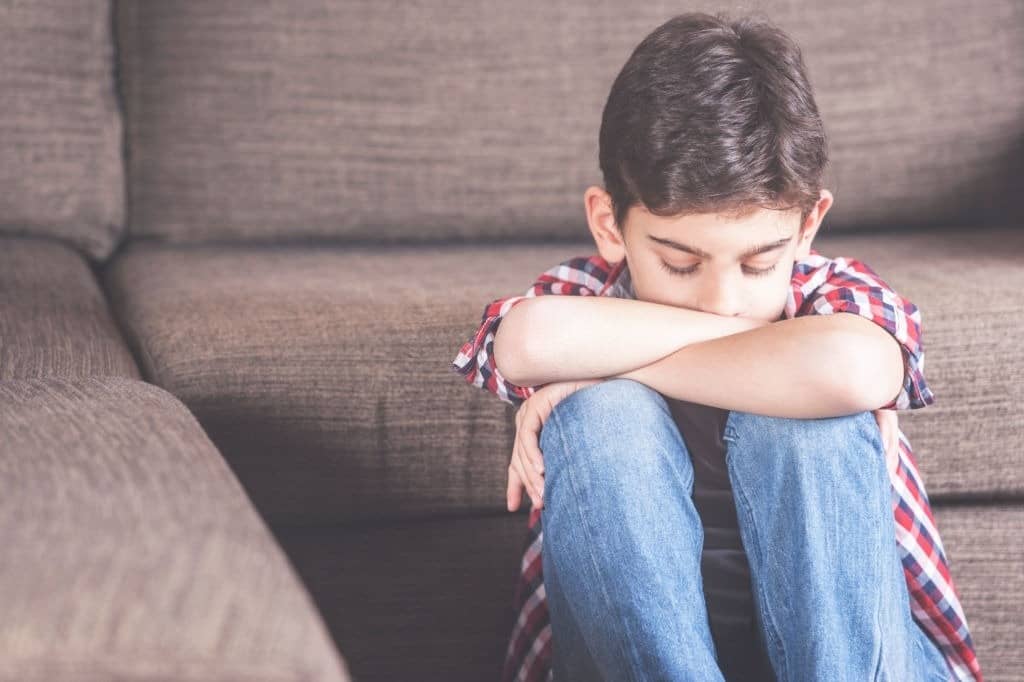
Children feel it first. In crowded homes, they may witness fights they don’t understand. Some face neglect because overwhelmed parents are too tired or frustrated to care. Others experience harsh punishment over small mistakes.
Furthermore, poor housing often means damp walls, bad ventilation, and shared toilets. This affects a child’s health and schoolwork.
When a child grows up in this kind of environment, their emotional well-being takes a hit. This is why we must talk about housing conditions and overcrowding as a child protection issue, not just a housing issue.
3. What We Can Do About It
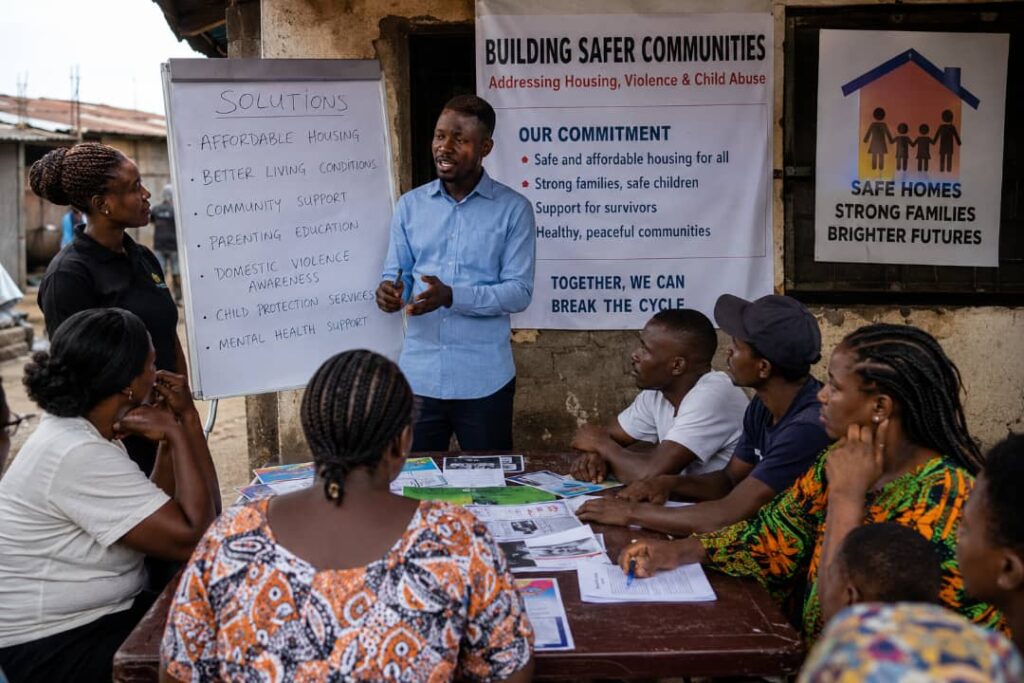
The good news is we can change this. First, government and housing agencies need to create more safe and affordable homes. Second, community leaders can run programs that teach stress management and peaceful conflict resolution.
Finally, families should know they can ask for help. Counseling centers, NGOs, and faith groups exist to support struggling homes.
Because when we improve housing conditions and overcrowding, we also reduce violence and give children a better chance.
Conclusion
Every child deserves a home where they feel safe. Every parent deserves a space where they can rest without pressure.
Housing conditions and overcrowding will not go away overnight but ignoring them makes family problems worse.
By working together government, communities, and families we can create homes that protect instead of hurt. Better housing means less stress. Less stress means less violence. And that means healthier, happier urban communities for all of us.







One Response