Introduction
Child Abuse in Our Environment: How We Can Protect Our Children
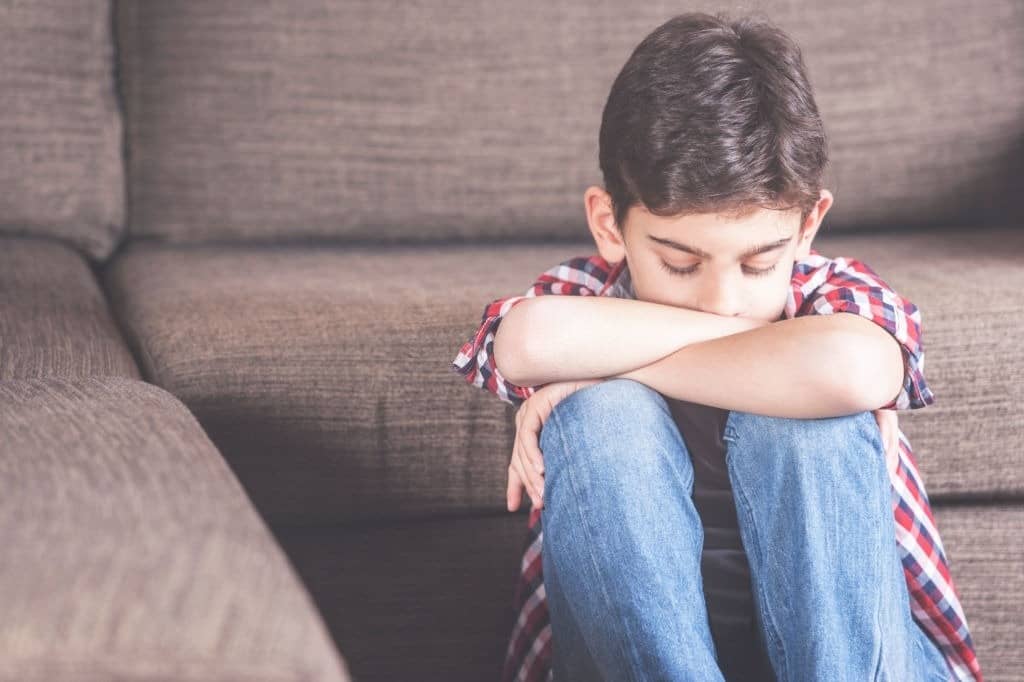
Child Abuse in Our Environment hurts kids every day, yet many people still call it “discipline” or a “family issue.” Abuse means any action by a parent, guardian, or adult that harms a child’s body, mind, or spirit. It also includes failing to give a child what they need to grow. When we ignore it, children pay the price with their safety, health, and future. Protecting children from abuse is very much essential, as it curbs its excesses.
What Child Abuse Looks Like
First, physical abuse happens when an adult beats, hits, or injures a child. Some caregivers still think harsh punishment teaches best, but it often leaves bruises, broken bones, or worse.
Second, emotional abuse wounds a child from the inside. Adults insult, threaten, reject, or shame the child over and over. You cannot see these scars, but they crush confidence and slow mental growth.
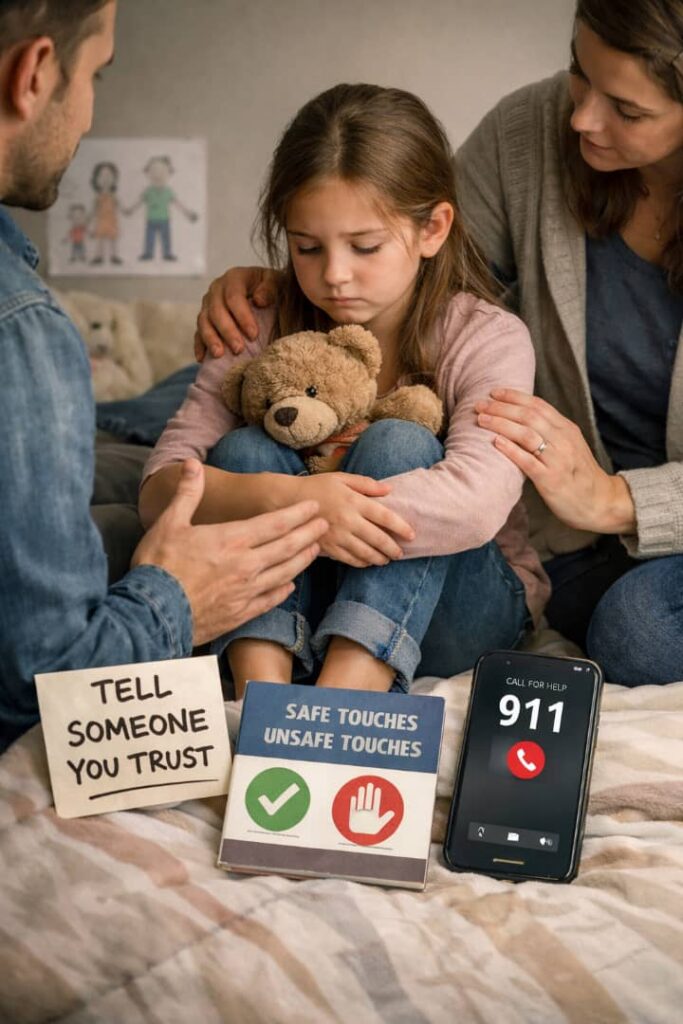
Third, sexual abuse forces a child into sexual acts with an adult or older person. Many children stay quiet because the abuser scares them or fills them with shame.
Finally, neglect starves a child of basic needs. Parents or guardians fail to provide food, shelter, clothes, school, medicine, or love. As a result, the child faces sickness and poor grades.
Why Child Abuse in Our Environment Happens
Poverty drives many cases. Families that struggle to eat may leave children alone or push them into street labor. Also, parents who never learned better methods use beating as the only way to correct kids. On top of that, some cultural beliefs praise harsh punishment as “proper training.” Drug use, stress, and fighting at home add more risk and raise the chances of abuse.
How It Hurts Children and Society
Abuse leaves deep damage. Physically hurt kids may live with scars or disabilities for life. Emotionally hurt kids often feel worthless, anxious, and scared to make friends. Sexually hurt kids carry trauma and find it hard to trust anyone. In the worst cases, abused kids grow up angry and repeat the same violence.
Beyond the child, society suffers too. When kids grow up in pain, we see more school dropouts, more crime, and weaker communities.
What We Can Do to Stop It
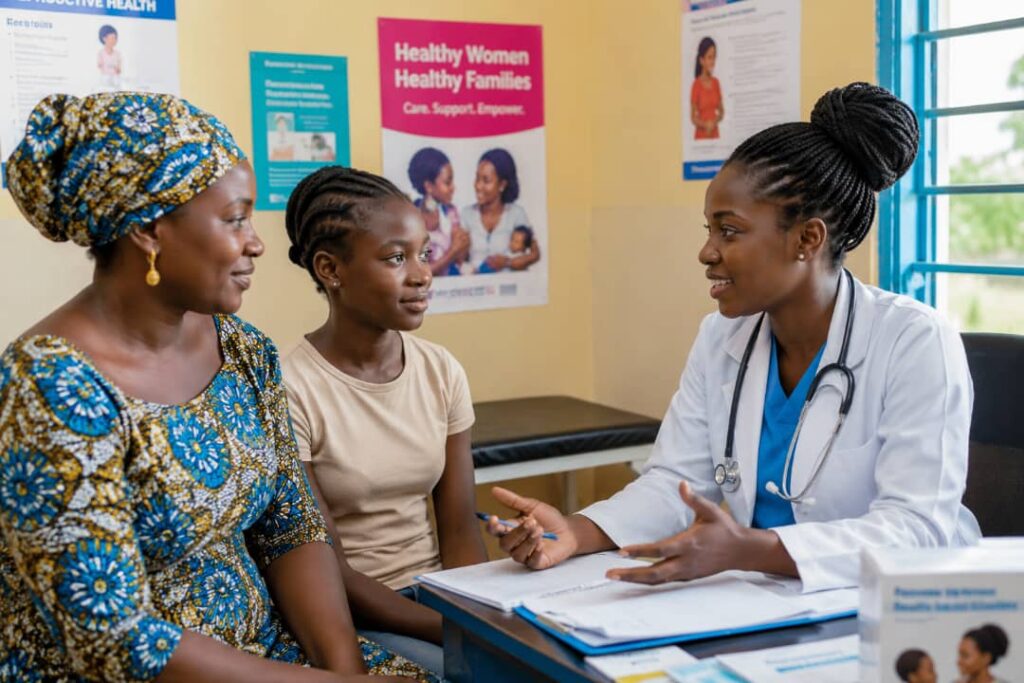
Stopping abuse needs all of us. Parents can learn positive ways to guide children without beating them. Schools and churches can teach kids their rights and tell them to speak up when someone hurts them.
Communities must also act. If you see a child in danger, report it. Support families that struggle before things get worse. Governments should enforce strong child protection laws and fund social workers who help victims fast.
Conclusion
Child Abuse in Our Environment steals the future from our children. Kids deserve safe homes where they can learn, play, and dream. If we raise awareness, teach parents better skills, and hold abusers to account, we can build a safer place for every child. Our children are tomorrow’s leaders. Let’s protect them today so they can thrive tomorrow.