Introduction
Breaking the Cycle: How Childhood Exposure to Domestic Violence Shapes Adult Lives
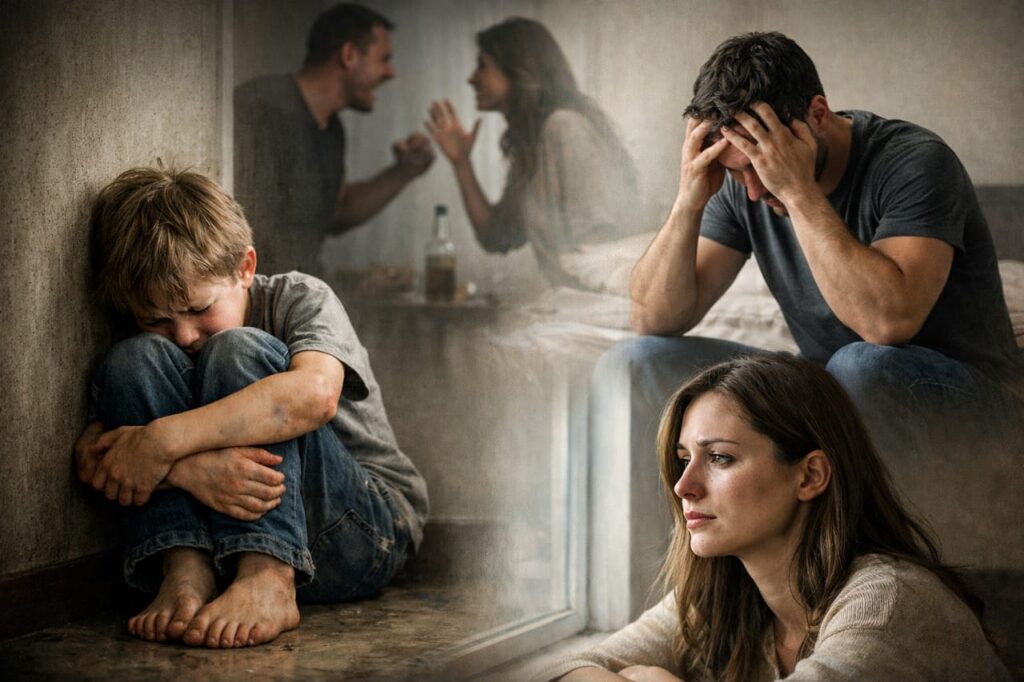
Growing up in a home with domestic violence leaves lasting scars, impacting mental health, relationships, and physical well-being. This trauma echoes into adulthood, affecting daily life and future relationships.
The Emotional Fallout
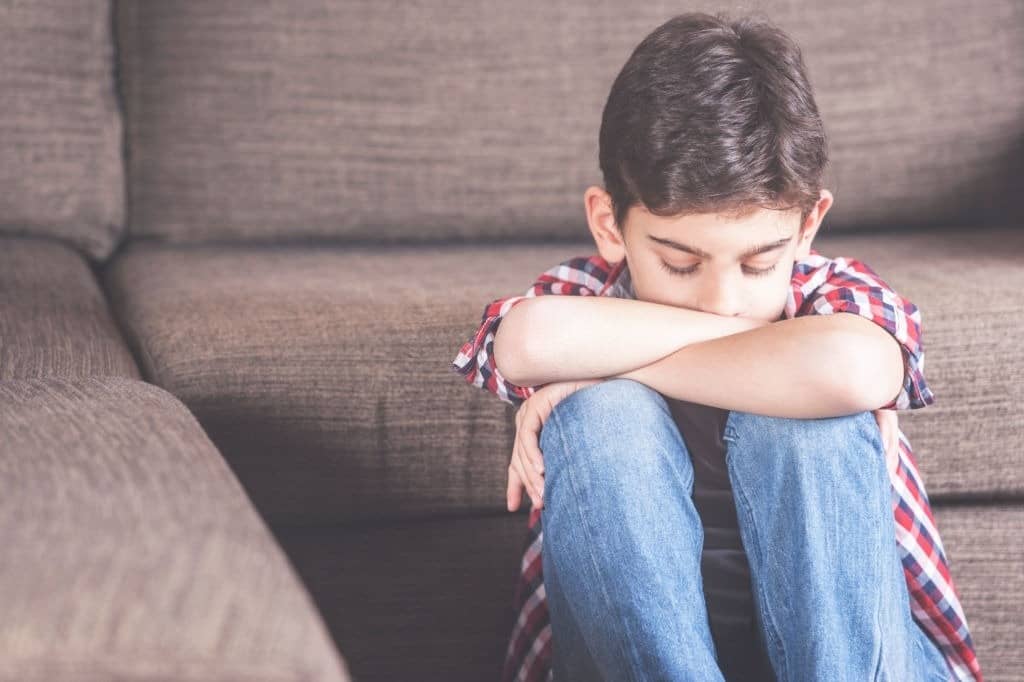
Kids witnessing domestic violence often develop PTSD symptoms like nightmares and emotional turmoil. They’re more likely to face depression, anxiety, and emotional instability, showing up as low self-esteem and struggles with emotional regulation. These issues stick around, undermining overall well-being.
Relationships Take a Hit
Domestic violence exposure messes with a child’s ability to form secure attachments, leading to trust issues, fear of abandonment, and empathy deficits. Adults who witnessed such violence struggle with communication, conflict resolution, and emotional intimacy, sometimes replicating abusive patterns.
Physical and Cognitive Consequences
Trauma affects brain development and stress response systems, leading to health issues like heart disease and obesity. It impacts academic and social skills during childhood, setting kids up for future challenges.
The Lasting Risks
– PTSD and complex trauma symptoms
– Anxiety and depression
– Low self-esteem and emotional instability
– Trust issues and attachment difficulties
– Potential perpetuation of abusive behaviors
– Physical health problems tied to stress response dysfunction
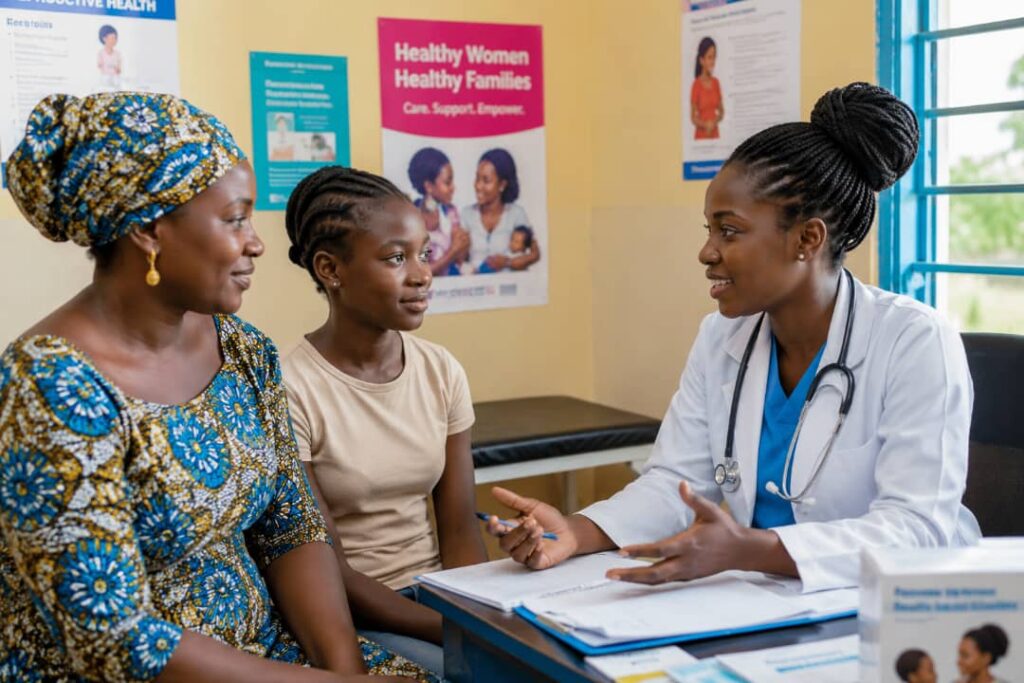
Trauma-informed care and early interventions make a huge difference. Supporting kids who’ve witnessed domestic violence helps them heal and build healthier lives.
Breaking the Cycle: What’s Next?
Effective support strategies include:
– Counseling and therapy for kids and families
– Building safe, supportive environments
– Teaching healthy relationship skills
– Promoting community awareness and resources
Conclusion
Breaking the cycle means acting early and supporting those affected. With the right help, kids overcome their experiences and thrive, building stronger, healthier futures for themselves and their communities.