
Introduction
Resilience in Children
As parents, caregivers, and community leaders, we play a vital role in shaping the next generation’s ability to navigate life’s challenges. Building resilience in children is crucial for their emotional well-being, academic success, and future prosperity. Resilience is not an innate trait; it can be developed and strengthened through intentional practices and supportive relationships.
The Power of Protective Factors
Building resilience in children requires a deep understanding of protective factors that promote healthy development. These factors include:
1. Nurturing Relationships: Strong bonds with caregivers, family members, and peers provide emotional support and stability.
2. Positive Self-Concept: Children with a positive self-image, self-worth, and confidence are better equipped to cope with challenges.
3. Emotional Regulation: Teaching children to manage their emotions effectively helps them develop resilience to stress and adversity.
4. Problem-Solving Skills: Encouraging children to develop problem-solving skills enables them to navigate challenges and find solutions.
5. Community Support: Access to community resources, such as schools, healthcare, and social services, provides additional support.
Practical Strategies for Building Resilience
To build resilience in children, we can:
1. Foster Positive Relationships: Encourage nurturing relationships with caregivers, family members, and peers.
2. Teach Emotional Regulation: Help children develop emotional regulation skills through modeling, teaching, and practice.
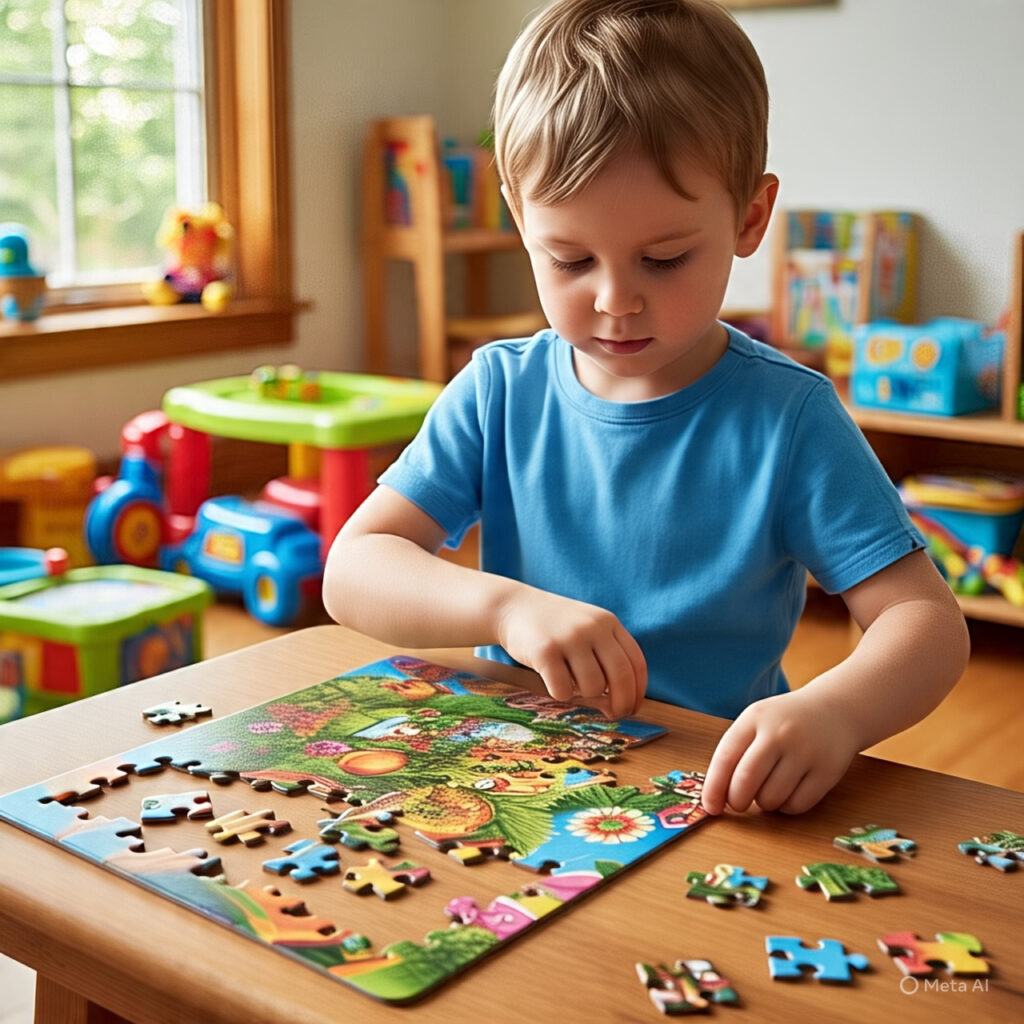
3. Encourage Problem-Solving: Provide opportunities for children to develop problem-solving skills through play, exploration, and learning.
4. Build Self-Esteem: Foster a positive self-concept by promoting self-worth, confidence, and self-expression.
5. Provide Community Support: Ensure access to community resources, such as schools, healthcare, and social services.
Resilience-Building Strategies That Work
In addition to protective factors, building resilience in children can be achieved through:
1. Mindfulness and Self-Care: Teach children mindfulness and self-care techniques to manage stress and promote well-being.
2. Social-Emotional Learning: Incorporate social-emotional learning into daily life to promote emotional intelligence and resilience.
3. Positive Reinforcement: Use positive reinforcement to encourage positive behaviors and promote self-esteem.
4. Opportunities for Growth: Provide opportunities for children to take risks, learn, and grow, promoting resilience and confidence.
Conclusion
Building resilience in children is a collective responsibility that requires a comprehensive approach. By understanding and promoting protective factors, providing nurturing relationships, teaching emotional regulation, encouraging problem-solving, building self-esteem, and providing community support, we can help a child develop the resilience needed to thrive. By incorporating resilience-building strategies, such as mindfulness, social-emotional learning, positive reinforcement, and opportunities for growth, we can promote healthy development and well-being in children. Let’s work together to build this resilience and create a brighter future for our next generation. By prioritizing building resilience in children, we can empower them to overcome obstacles, achieve their goals, and live fulfilling lives.








One Response