Introduction
Cultural and Social Barriers to Reporting Domestic Violence
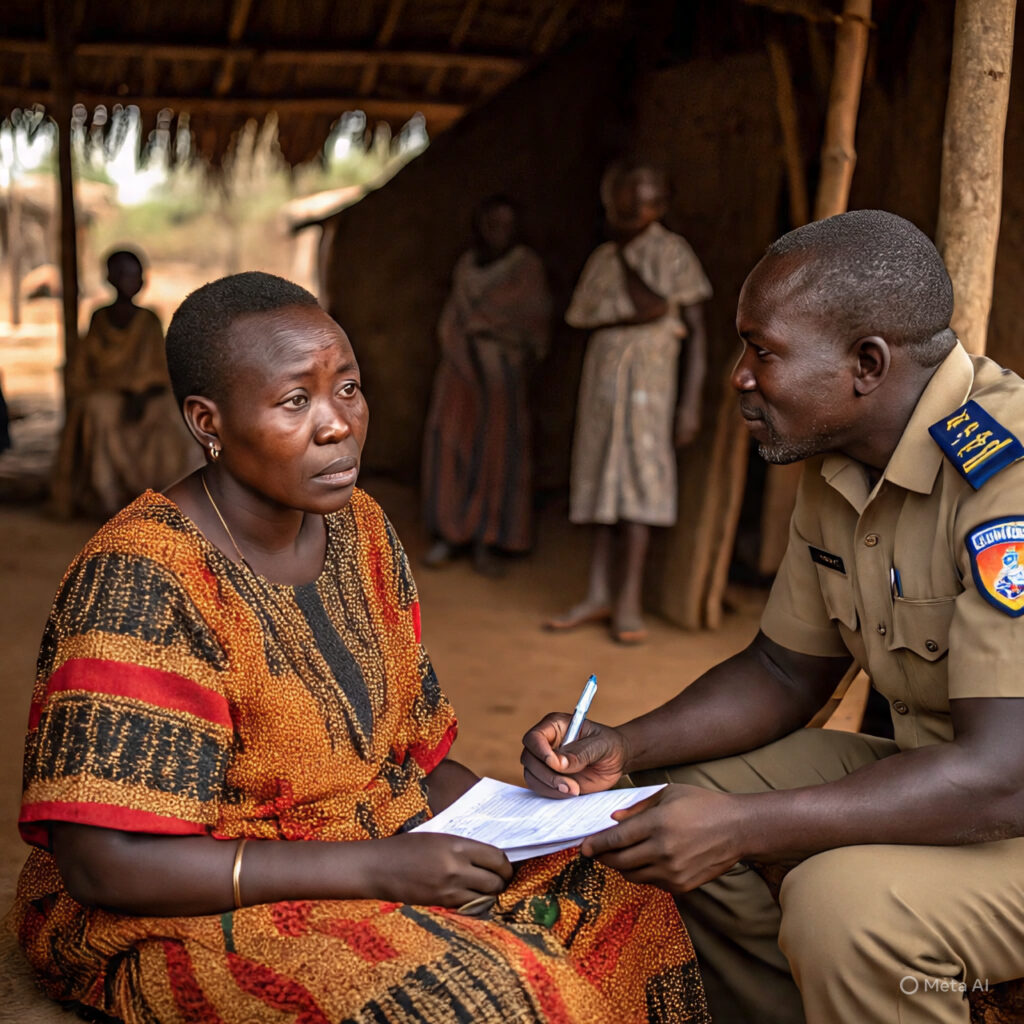
Domestic violence is a pervasive issue in Africa, with cultural and social barriers playing a significant role in hindering reporting. These obstacles are deeply ingrained in the continent’s diverse cultures and societies, making it challenging for victims to seek help. In this article, we’ll explore the key barriers to reporting domestic violence and discuss ways to address them.
The Weight of Societal Norms
In many African cultures, domestic violence is normalized, and victims are often blamed for the abuse. This can lead to a lack of awareness about their rights and a reluctance to report the violence. In some communities, women are expected to endure abuse as a sign of loyalty to their partners. This mindset perpetuates the cycle of violence and makes it difficult for victims to speak out.
Patriarchal Beliefs and Power Dynamics
The prevalence of patriarchal societies in Africa perpetuates the subordination of women, making it difficult for them to speak out against their abusers. Men often hold positions of power, and women expected to conform to traditional roles. This power imbalance contributes to the silence surrounding domestic violence.
The Impact of Stigma and Shame
Victims often face stigma and shame for reporting domestic violence, which can lead to social isolation and victimization. In some communities, victims ostracized or seen as “damaged goods.” This stigma can be overwhelming, causing victims to remain silent about their experiences.
Limited Access to Support Services
Limited access to support services like counseling and legal aid, can prevent victims from seeking help. Many African countries lack the resources and infrastructure to provide adequate support services, leaving victims without a safety net.
Cultural and Traditional Practices
Certain cultural practices, like child marriage and female genital mutilation, contribute to the perpetuation of domestic violence. These practices are often rooted in patriarchal beliefs and can have severe physical and emotional consequences for victims.
The Consequences of Underreporting
The barriers to reporting domestic violence lead to underreporting, which may include;
– Increased vulnerability for victims
– Perpetuation of violence
– Lack of accountability for perpetrators
Breaking Down the Barriers
To address domestic violence in Africa, we need to break down the cultural and social barriers that prevent victims from seeking help. Here are some strategies that can help:
– Raising Awareness: Educational campaigns can help raise awareness about domestic violence, its consequences, and the importance of reporting.
– Legislative Measures: Strengthening laws and policies can provide a framework for addressing domestic violence.
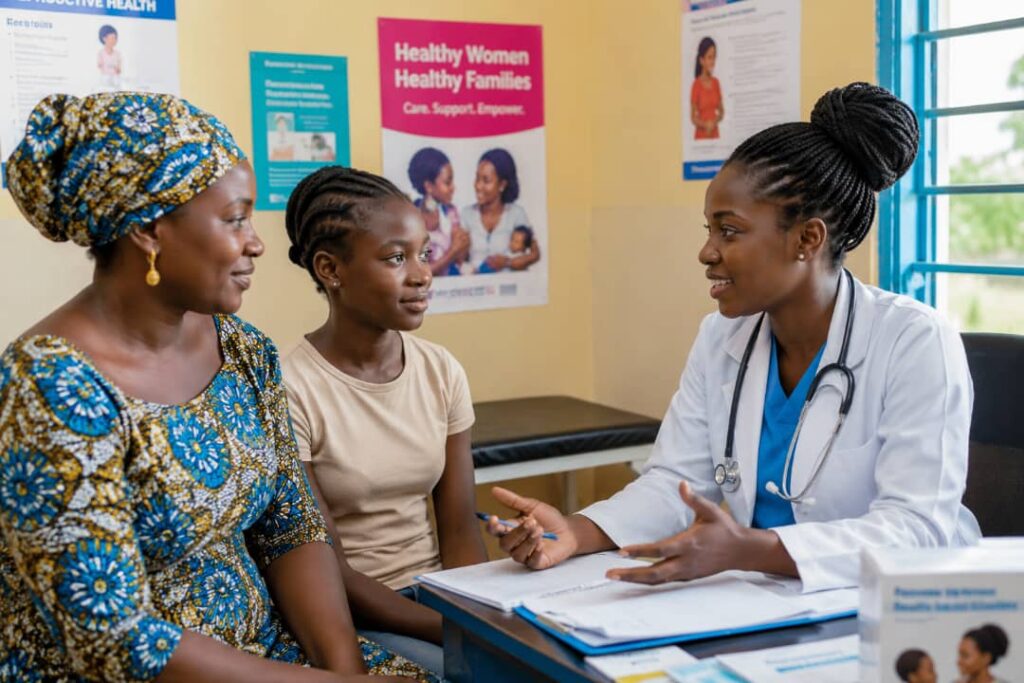
– Support Services: Establishing accessible support services can help victims seek help and rebuild their lives.
– Engaging Communities: Engaging with local communities and leaders can help challenge harmful cultural practices and promote a culture of respect and equality.
Conclusion
Cultural and social barriers play a significant role in hindering the reporting of domestic violence in Africa. By understanding these barriers and working together to address them, we can create a more supportive and inclusive environment for victims to seek help and rebuild their lives. It’s time to break the silence surrounding domestic violence and promote a culture of respect, equality, and justice.