Introduction
Domestic Abuse and Increased Risk of Child Maltreatment
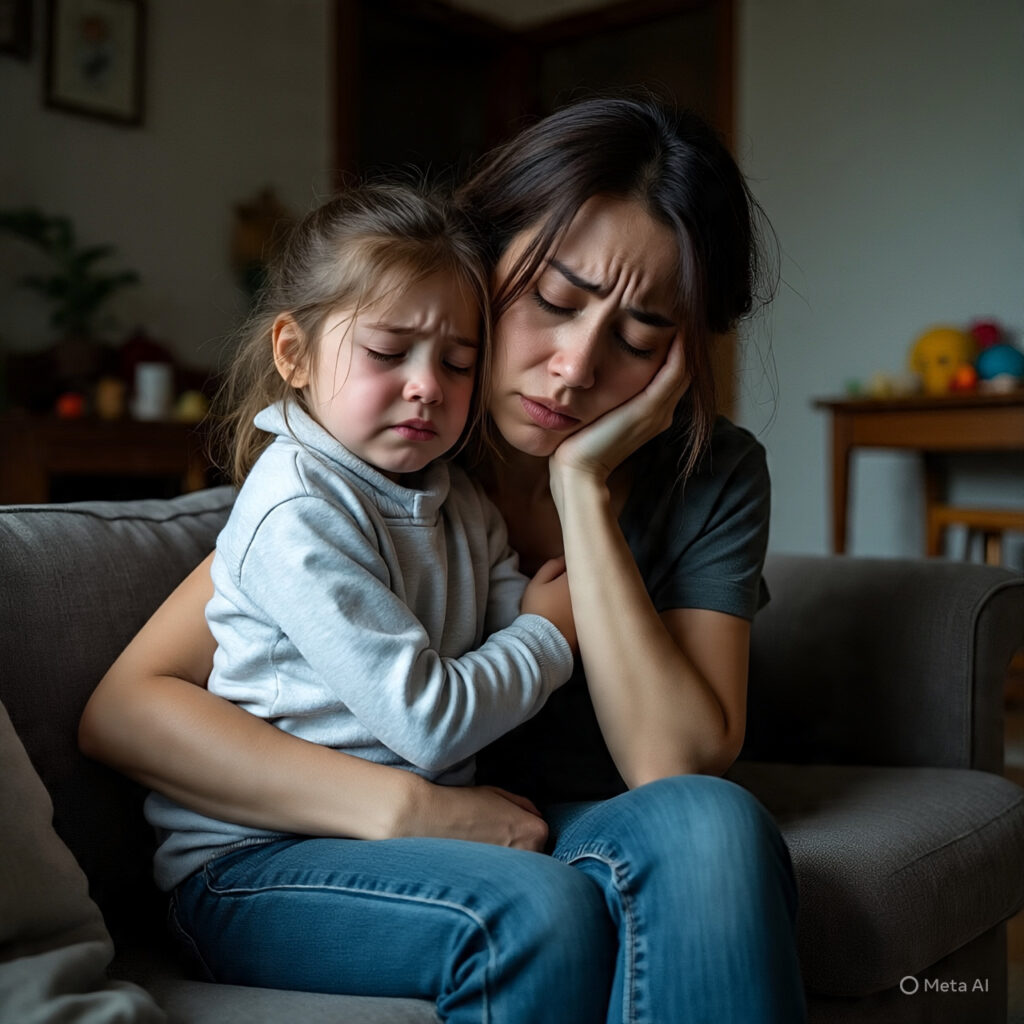
A home is meant to be a safe space where children feel loved and protected. Sadly, when violence happens between adults in the household, children are often the silent victims. They may not always be the direct targets, but growing up in such an environment affects their emotional, social, and even physical development. The relationship between Domestic Abuse and the risk of child maltreatment at home is a reality that demands attention.
Emotional and Mental Struggles
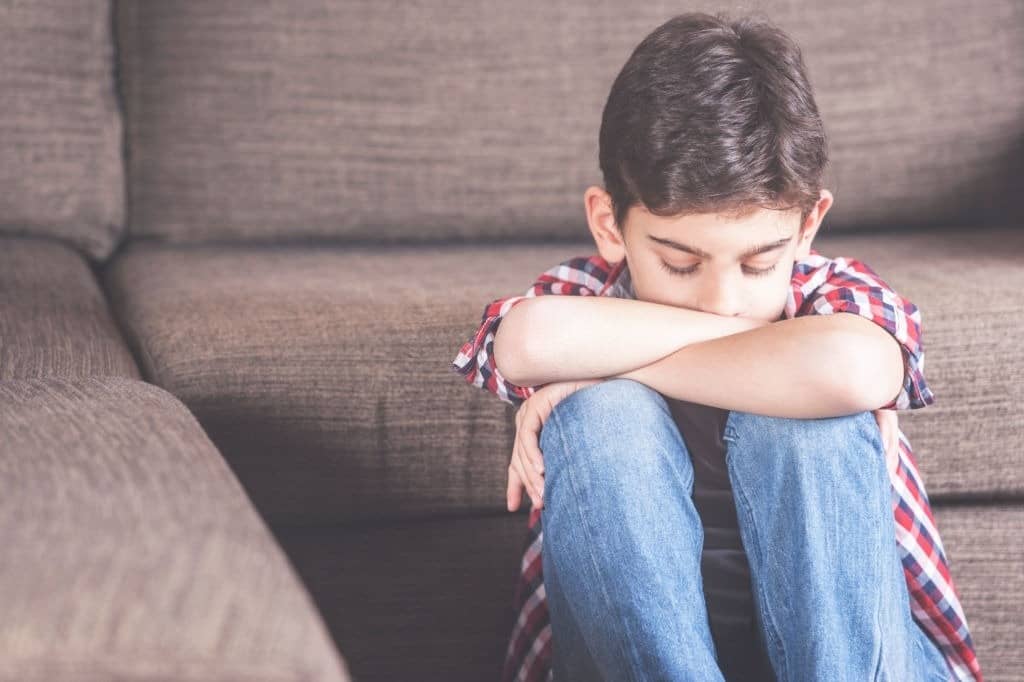
Living in an abusive household creates fear and uncertainty. Children often feel anxious, sad, or confused, not knowing what might happen next. Over time, this emotional strain can lead to depression, low self-esteem, and even trauma. Many carry invisible scars, and some may mistakenly believe that violence is a normal part of family life.
Educational Challenges
The effects also spill over into school life. A child worried about conflict at home cannot focus properly in class. Some lose interest in learning, while others develop behavior problems that interfere with academic progress. Frequent absences or sudden changes in performance are often quiet signs that something is wrong at home.
Social and Behavioral Effects
Children respond differently to household violence. Some become aggressive, mirroring the behaviors they see, while others withdraw and isolate themselves. Friendships and peer relationships often suffer, leaving them without strong social support. These struggles, if not addressed, are the risks of child maltreatment. These in turn shapes how they interact with others well into adulthood.
Breaking the Cycle
One of the greatest risks is the cycle of violence continuing into the next generation. Children who grow up in abusive homes are more likely to experience or cause similar harm in their adult lives. Breaking this chain requires strong intervention; counseling, safe shelters, and awareness programs that protect children and help families heal.
Conclusion
The relationship between domestic abuse and child maltreatment is undeniable. Children deserve homes filled with love and safety, not fear. Communities, schools, and policymakers must work together to provide support systems that protect children and guide families toward healthier patterns. When children are safe, they are free to grow, learn, and build brighter futures.