Introduction
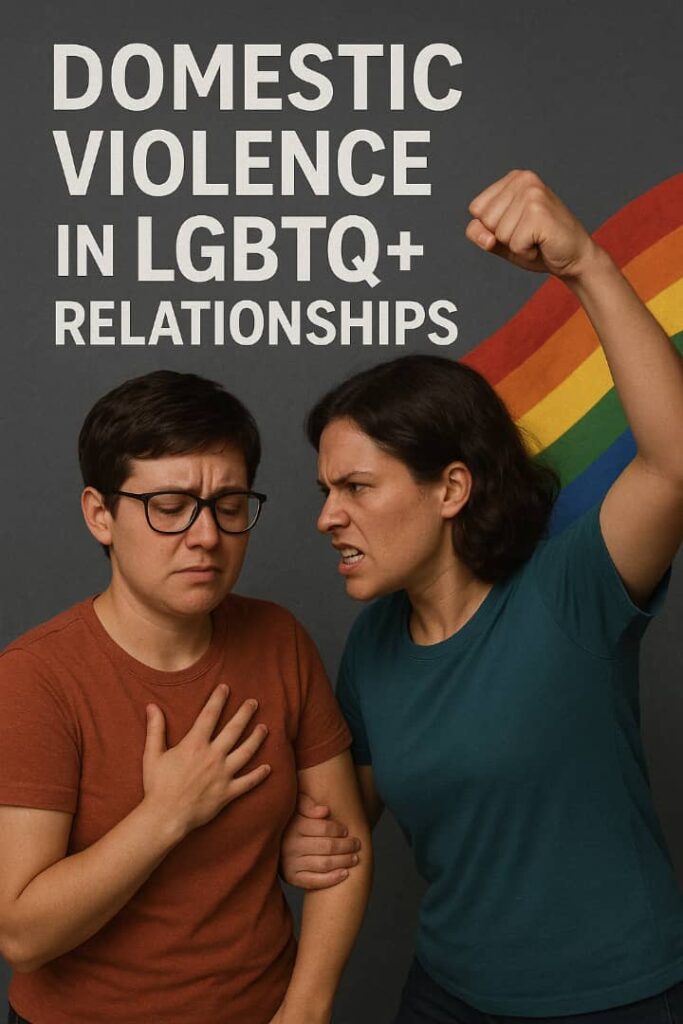
Domestic Violence in LGBTQ+ Relationships
Domestic violence is a pervasive issue that affects individuals across various demographics, including the LGBTQ+ community. In this article, we’ll explore the prevalence, forms, and barriers to seeking help by LGBTQ+ survivors of domestic violence.
The Alarming Reality
– Approximately 25-30% of LGBTQ+ relationships involve domestic violence.
– Bisexual women and transgender individuals are disproportionately affected, with 61% of bisexual women and nearly 50% of transgender people reporting experiences of domestic violence.
– LGBTQ+ individuals who have experienced domestic violence are at a significantly increased risk for suicide.
Forms of Abuse
Domestic violence in LGBTQ+ relationships can take many forms, including:
– Bruises, scratches, or other unexplained injuries
– Belittling, name-calling, or mockery related to a partner’s queer identity
– Threatening to “out” a partner to their family, friends, employer, or other social connections
– Trying to limit a partner’s access to financial resources or employment opportunities
– Restricting a partner’s social interactions or support networks
Barriers to Seeking Help
Survivors of domestic violence often face unique barriers to seeking help, including:
– Fear of stigma or discrimination from law enforcement, healthcare providers, or social services
– Lack of LGBTQ+-inclusive resources and support services
– Internalized homophobia or transphobia, leading to shame or embarrassment
– Fear of retaliation or further violence from the abuser
Resources for Support
Here are resources available for people experiencing domestic violence in an LGBTQ+ relationship
– National Coalition of Anti-Violence Programs (NCAVP): provides support services and advocacy for LGBTQ+ survivors
– The Trevor Project: offers crisis intervention and support services for LGBTQ+ youth
– Trans Lifeline: provides peer support and crisis services for transgender individuals
– Local LGBTQ+ organizations and support groups: offer a safe space to share experiences, gain strength, and learn coping strategies
Conclusion
We can work towards creating a safer and more supportive environment for LGBTQ+ individuals experiencing domestic violence. By acknowledging the prevalence and forms of abuse, addressing barriers to seeking help, and providing targeted resources. It’s time to break the silence and provide the support and resources that LGBTQ+ survivors deserve.