Introduction
Improving Nutrition and Health Outcomes for Girls in Rehab
When a girl steps into a rehabilitation centre, she brings more than just her story—she carries wounds that food can start to heal. This post explores how nutrition and health outcomes for girl children in rehabilitation centres change when centres give the right meals, care, and support. We will show why nutrition and health outcomes for girl children in rehab matter, list the simple ingredients that make a difference, and explain how centres can turn food into a tool for recovery.
Why Food Matters
Girls who have faced abuse, neglect, or extreme poverty often arrive under‑fed and emotionally drained. Proper meals give them energy, help their brains grow, and boost their immune systems. When centres serve balanced plates, the girls feel stronger, concentrate better, and smile more. In short, good nutrition fuels both body and mind, setting the stage for lasting change.
Common Challenges
Many girls arrive severely underweight, catch colds easily, and struggle with mood swings. Poor diets have left them with weak bones and delayed development. These problems do not fix themselves; they need a steady feeding plan and emotional care.
Simple Ingredients for a Balanced Meal
– Protein – beans, eggs, fish, or soy
– Whole grains – rice, millet, or whole‑wheat bread
– Fruits and veg – mangoes, carrots, leafy greens
– Healthy fats – avocado, nuts, or palm oil
– Clean water – filtered or boiled
Adding these five ingredients to every meal creates a strong foundation for health.
How Centres Can Boost Outcomes
1. Serve regular, colorful plates – Centres that put protein, grains, fruits, veg, and water on the table see quick gains in weight and mood.
2. Track growth monthly – Staff measure height and weight, then adjust portions as needed.
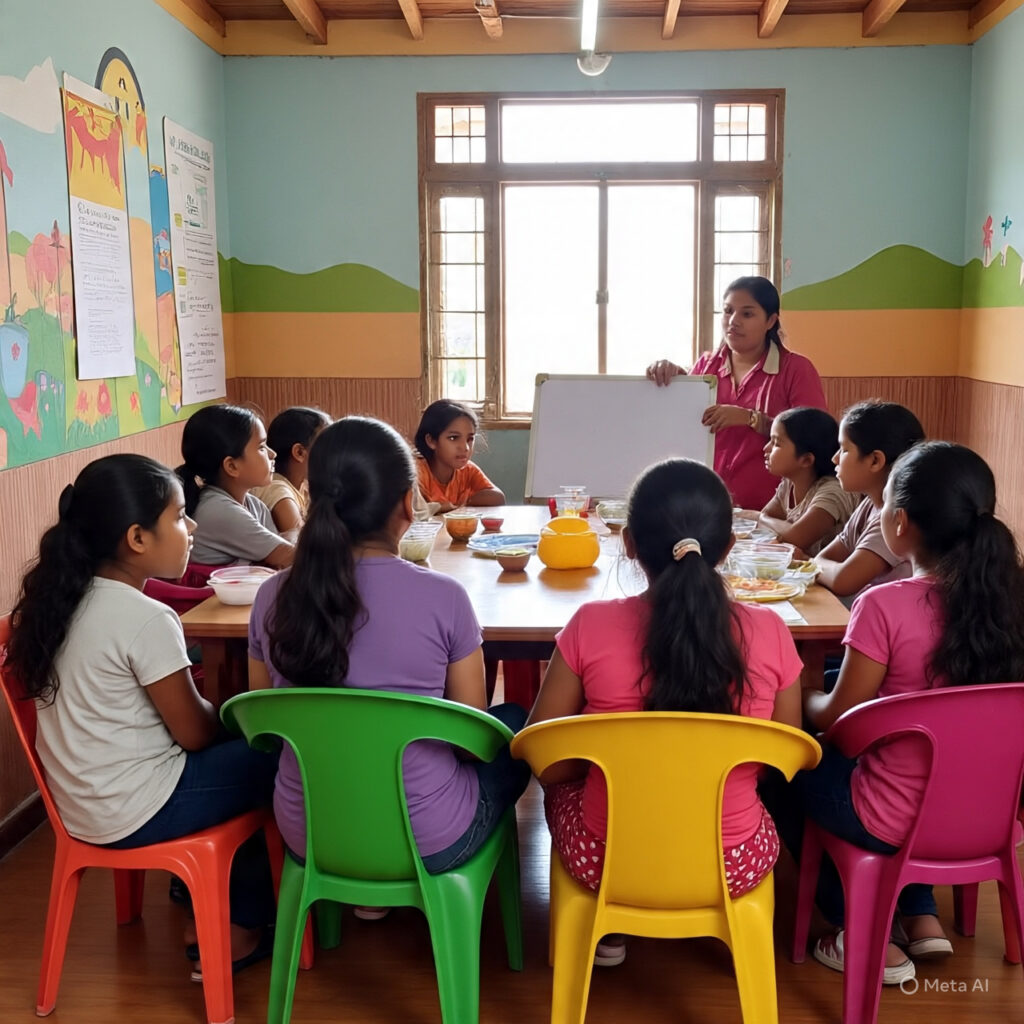
3. Teach healthy habits – Girls learn to choose fruits over sugary snacks, giving them skills for life outside the centre.
4. Create a calm dining space – A quiet room with friendly staff helps girls feel safe while they eat.
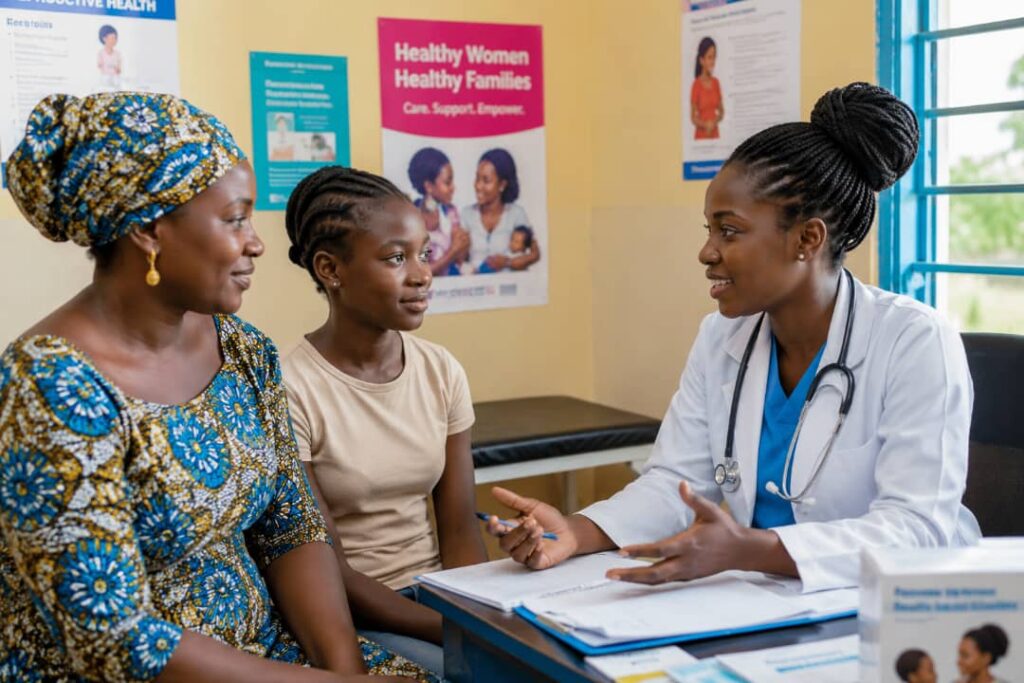
5. Pair food with counseling – When meals come with emotional support, healing speeds up.
Transition to a Brighter Future
Also, centres that involve the girls in cooking build confidence. In addition, community volunteers can bring fresh produce, enriching the menu. Finally, sharing success stories shows other centres what works.
Conclusion
Nutrition and health outcomes for girl children in rehabilitation homes improve dramatically when their focus on simple, nutritious meals and supportive care. By serving the right ingredients, monitoring growth, teaching healthy habits, and fostering a safe eating environment, we give each girl a chance to grow, learn, and thrive. Investing in food is investing in a brighter future for these resilient children.