Introduction
Empowering Girl Child Rehabilitation
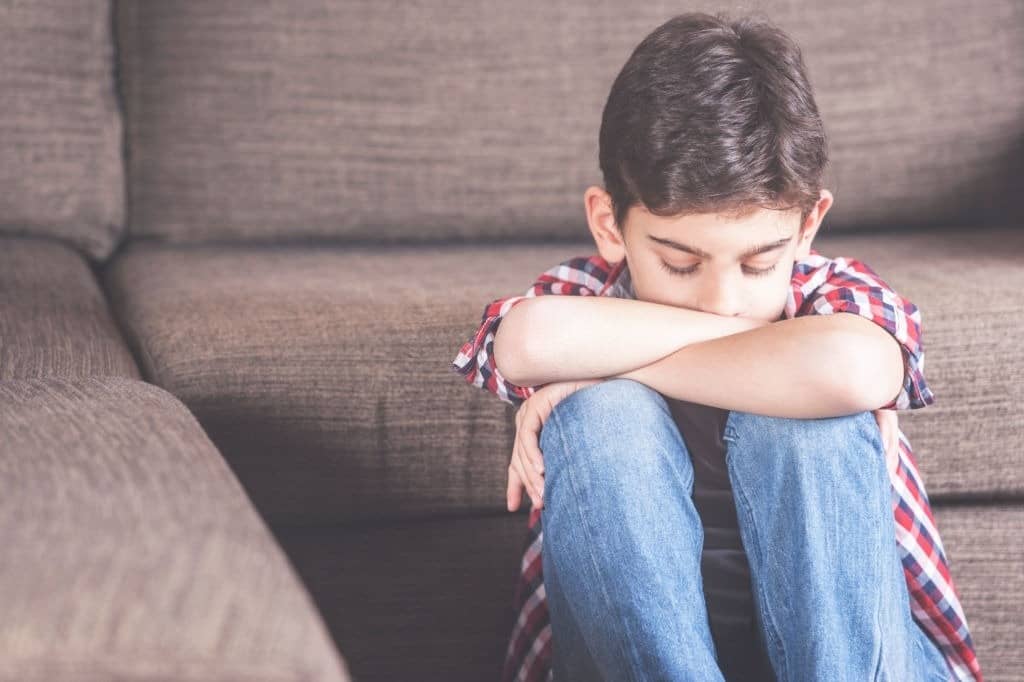
The girl child is a precious gem that needs to be polished and nurtured. However, many girls around the world face abuse, poverty, and neglect, which can break their spirit and limit their potential. Girl child rehabilitation programs offer a lifeline to these vulnerable girls, providing them with the support and resources they need to rebuild their lives. In this article, we will explore the challenges and opportunities in implementing girl child rehabilitation programs that truly empower girls to overcome their past and build a brighter future.
The Challenges We Face
Implementing effective girl child rehabilitation programs is not without its challenges. One of the major hurdles is limited funding and resources. Many organizations struggle to secure the funds they need to provide quality education, safe housing, and vocational training to girls in need. Without sufficient resources, these programs are like a car without fuel, unable to move forward.
Another significant challenge is cultural and social barriers. In some communities, harmful beliefs about girls’ roles in society can make it difficult for families to accept rehabilitation support. For instance, some girls are forced into early marriage or child labor, while others are encouraged to stay silent about abuse. These cultural pressures can slow down the healing and growth process, making it harder for girls to recover.
The Importance of Safe Spaces
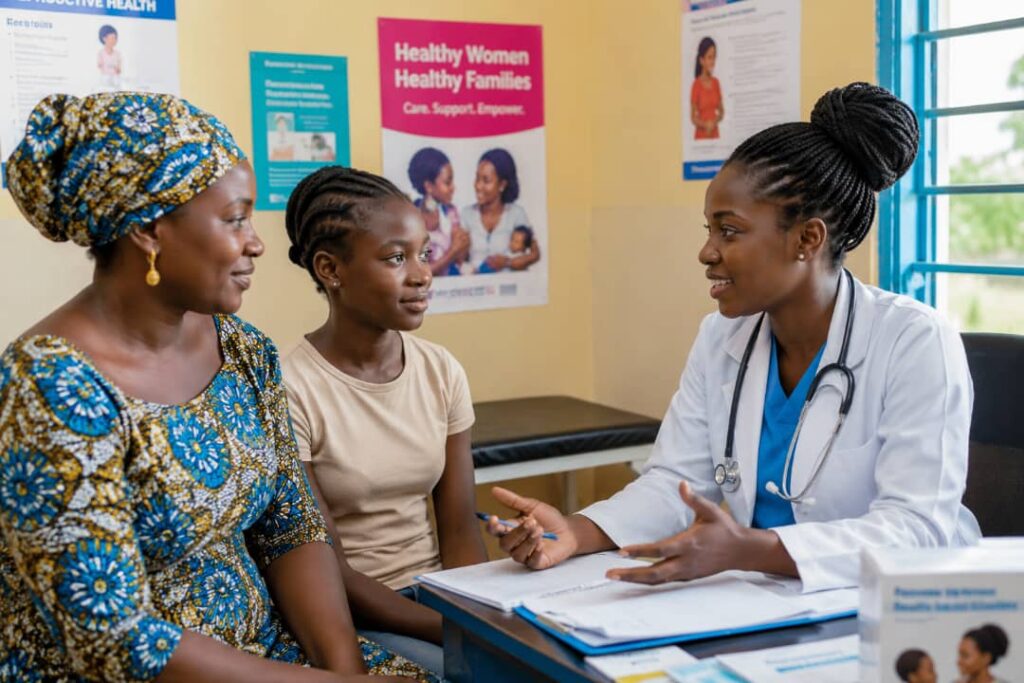
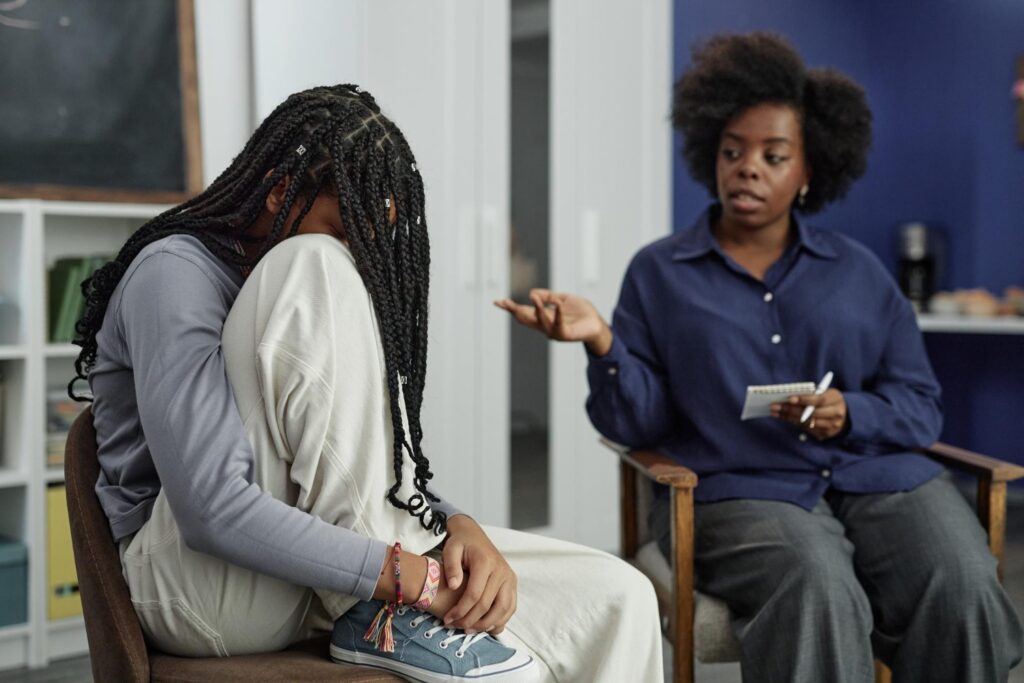
Girls who have experienced trauma and abuse need a safe and supportive environment to heal. Safe shelters are essential in providing girls with a secure place to stay, access to education and healthcare, and emotional support. However, many shelters lack the resources they need to provide quality care, leaving girls vulnerable to further exploitation.
Empowering Girls Through Education and Skills
Vocational and skill-building programs are a crucial part of girl child rehabilitation. By teaching girls practical skills like tailoring, digital literacy, or baking, we can empower them to become independent and self-sufficient. These skills open doors to financial stability and reduce the risk of returning to abusive environments.
Breaking Down Barriers
To overcome the challenges in girl child rehabilitation, we need to work together with community leaders, parents, teachers, and religious groups. Community engagement and awareness can help break down cultural and social barriers, while partnerships with NGOs and government agencies can provide much-needed resources and support. By leveraging technology and digital platforms, we can also reach more girls and provide them with access to education, healthcare, and emotional support.
Stronger Legal Protections
Girls who have experienced abuse and exploitation need strong legal protections to ensure their safety and well-being. Advocacy and policy reform can help strengthen child protection structures and ensure faster justice. When the law works in favor of girls, rehabilitation becomes more effective.
Conclusion
Empowering girl child rehabilitation is a complex issue that requires patience, teamwork, and consistent support. Despite the challenges, the opportunities for creating lasting change are greater. By providing girls with access to education, safe spaces, and skill-building programs, we can empower them to overcome their past and build a brighter future. Let’s work together to create a society where every girl is valued, protected, and empowered to reach her full potential.