
Introduction
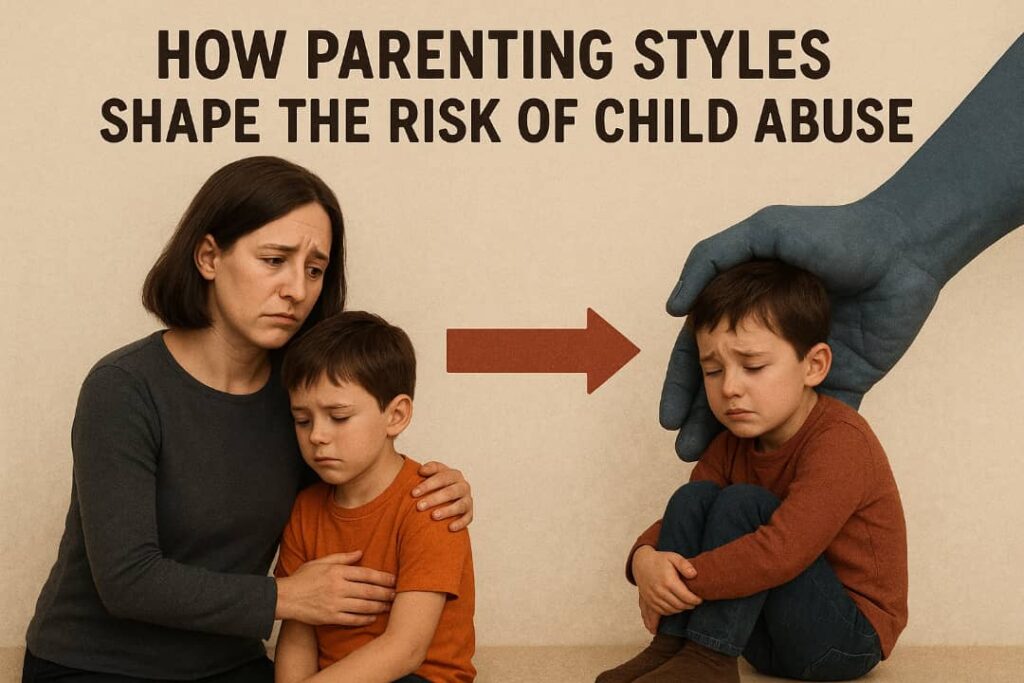
How Parenting Styles Shape the Risk of Child Abuse
Parenting styles and child abuse often walk together, but not every style leads to harm. In this post we look at how the way we raise kids can raise or lower the chance of abuse. We also share simple steps anyone can take to protect children and build a healthier home.
Authoritarian vs. Authoritative
Research links authoritarian parenting with higher abuse rates. Authoritarian parents often shout, use harsh punishment, and show little warmth. In contrast, authoritative parents set clear rules while offering love and support. This warm‑yet‑firm approach helps children feel safe and reduces the risk of abuse.
Key Risk Factors
Several factors make abuse more likely. First, harsh discipline such as hitting or yelling can quickly turn into abuse. Second, parents who ignore a child’s emotional needs leave the child feeling unseen. Third, high stress, anxiety, or depression can push a parent toward angry outbursts. All three factors tie back to parenting styles and child abuse.
What Happens When Abuse Occurs
When abuse happens, children suffer physical injuries, emotional scars, and trouble trusting others. They may act out at school, turn to drugs, or repeat the cycle with their own kids later on. The long‑term effects show why we must act early.
Simple Ways to Prevent Abuse
1. Teach Positive Discipline – Replace hitting with time‑outs, calm talks, and praise for good behavior.
2. Build Emotional Support – Listen to your child, hug them, and show you care.
3. Manage Stress – Take breaks, ask for help, and practice deep breathing when tension rises.
4. Get Community Help – Join parent groups, use local counseling, and share challenges openly.
Key Ingredients for a Safer Home
– Warmth and affection
– Clear, consistent rules
– Open communication
– Stress‑relief tools
– Access to support services
Conclusion
Parenting styles and child abuse are closely linked, but we have the power to change the story. By choosing warm, firm methods, spotting risky habits, and using community resources, we can lower the chance of abuse and give every child a safe place to grow. Let’s work together, share what we learn, and build homes where love, not fear, leads the way.