Introduction
How Witnessing Domestic Violence Affects Children’s Learning and Confidence
Every child needs a calm, loving home to grow and do well in school. But when a child constantly sees shouting, threats, or physical fights, fear starts to shape how they feel and learn. The psychological effects of witnessing domestic violence on children’s academic performance show up early. Kids lose focus, feel anxious, and struggle to keep up in class. Many people think only adults suffer from domestic violence. That’s not true. Children carry the pain too, and it often shows in their grades and behavior.
Understanding the Emotional Impact
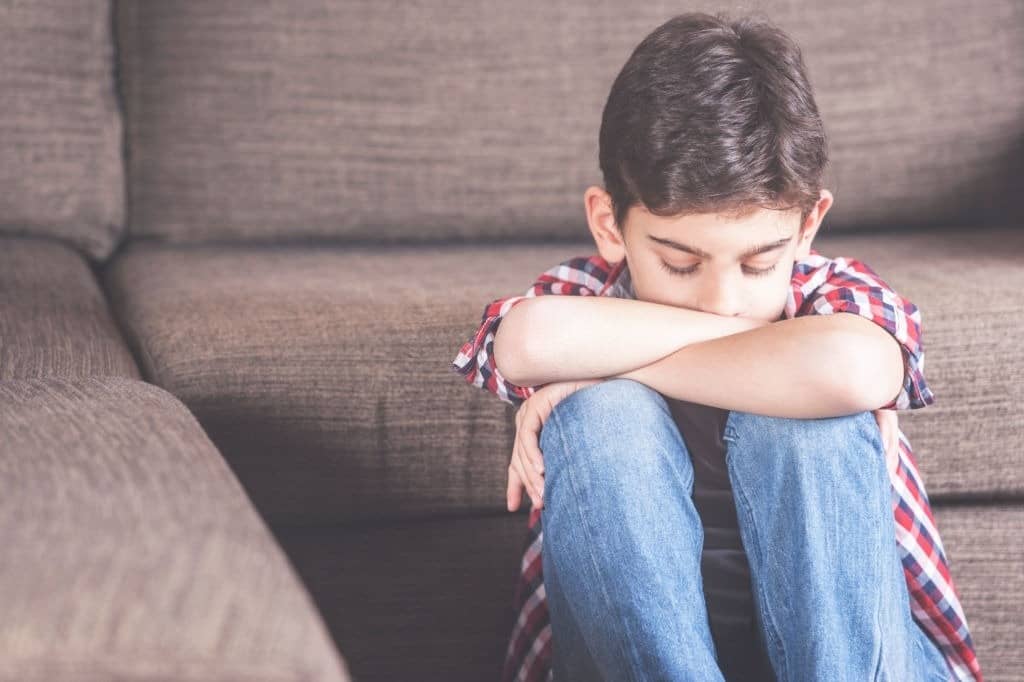
Children who witness domestic violence often feel unsafe, even at home. Some go quiet and withdraw from others. Others act out with anger or aggression. Many deal with anxiety, sadness, and constant fear. These emotions make it hard to concentrate in class.
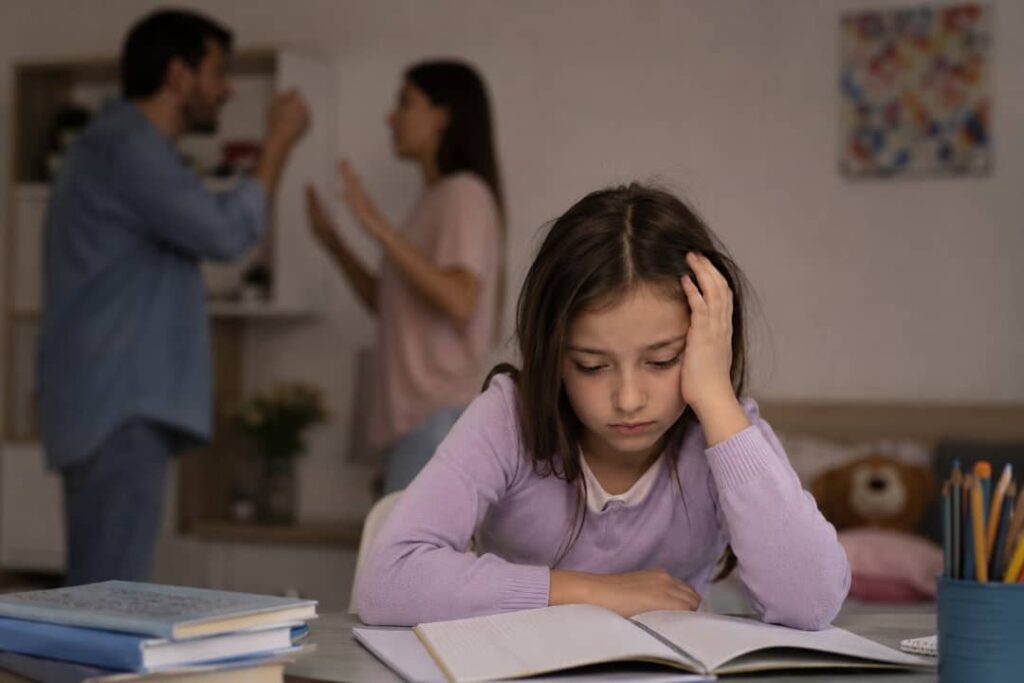
The psychological effects of witnessing domestic violence on children’s academic performance also hurt memory and communication. A child may sit in the classroom but stay mentally stuck on what happened at home. As a result, they forget homework, avoid class participation, and lose interest in school activities.
How It Changes School Performance
A peaceful home helps kids stay focused and motivated. A violent home does the opposite. Constant conflict creates stress that weakens a child’s ability to learn. You’ll notice poor concentration, low motivation, and falling grades.
Some children miss school often because they feel emotionally drained. Others struggle to finish assignments or prepare for exams. Teachers usually spot the signs fast: sudden mood changes, sleeping in class, poor attendance, and weak participation. On top of that, kids from violent homes find it hard to trust others. This makes group work and friendships difficult, which slows social growth too.
What Helps Children Recover
We can support these children and help them bounce back. Try these steps:
1. Build a safe home: Reduce conflict and create calm routines.
2. Talk openly: Let kids share their feelings without fear of punishment.
3. Offer counseling: Professional support helps kids process trauma.
4. Use school programs: Schools can run support groups and check-ins for affected students.
5. Teach healthy conflict skills: Show families how to solve problems without violence.
6. Train teachers: Help them notice behavior changes early and respond with care.
These actions give children stability, emotional healing, and a better chance to focus on learning.
Conclusion
The psychological effects of witnessing domestic violence on children’s academic performance can damage a child’s confidence, focus, and future. But recovery is possible when families, schools, and communities work together. Safe homes, open talks, and early support help children heal. When kids feel secure, they regain confidence, join class activities, and improve their grades. Every child deserves that chance.