Introduction
Mental Health and Well-being of Women in Conflict Zones
Women in conflict zones face unimaginable challenges that can leave lasting scars on their mental health and well-being. The impact of war, displacement, and violence can be devastating, and it’s essential to understand the complexities of their experiences. In this article, we’ll explore the mental health and well-being of women in conflict zones, and why it’s crucial to provide them with the support they need.
The Trauma of Conflict
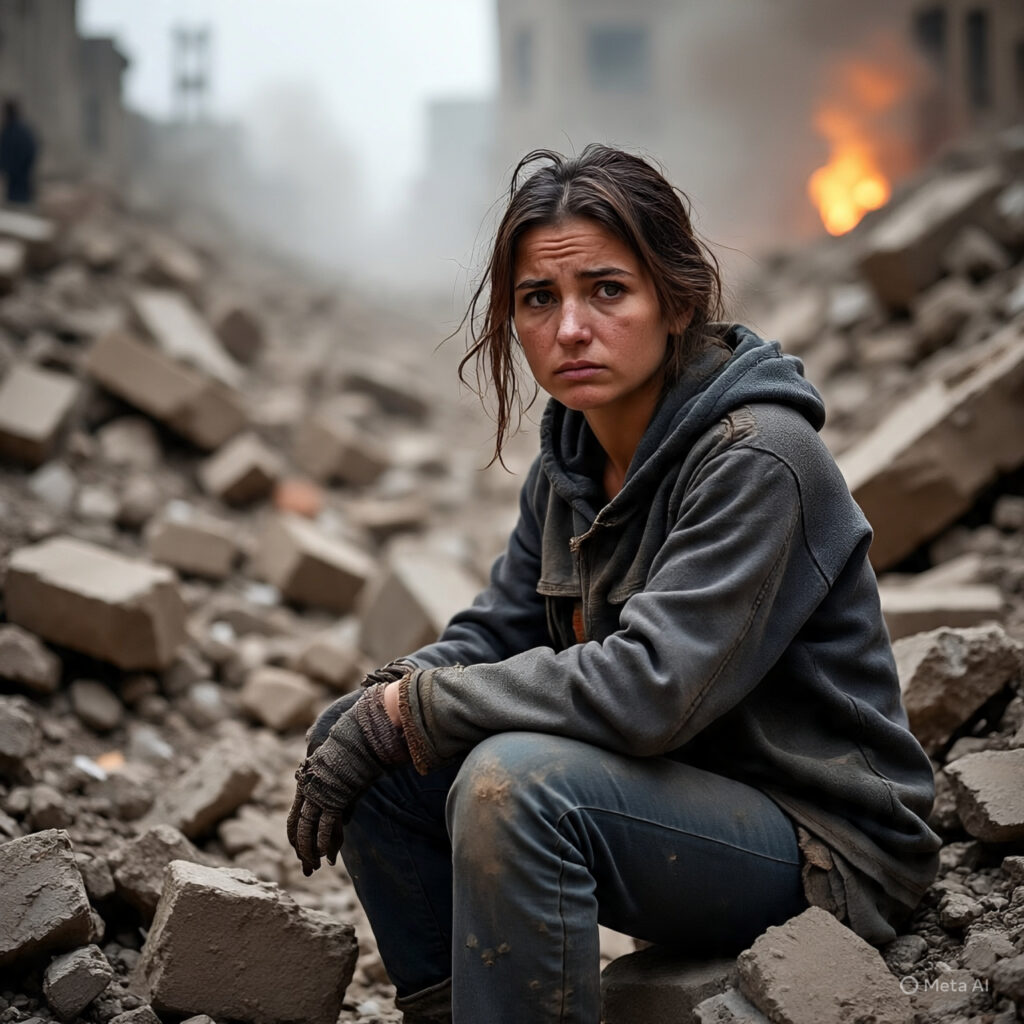
Living in a conflict zone can be a traumatic experience, exposing women to violence, displacement, and loss of loved ones. The stress and anxiety of living in fear can be overwhelming, and the impact on mental health can be severe. Women may experience depression, anxiety, and post-traumatic stress disorder (PTSD), which can affect their daily lives and relationships.
Barriers to Healthcare
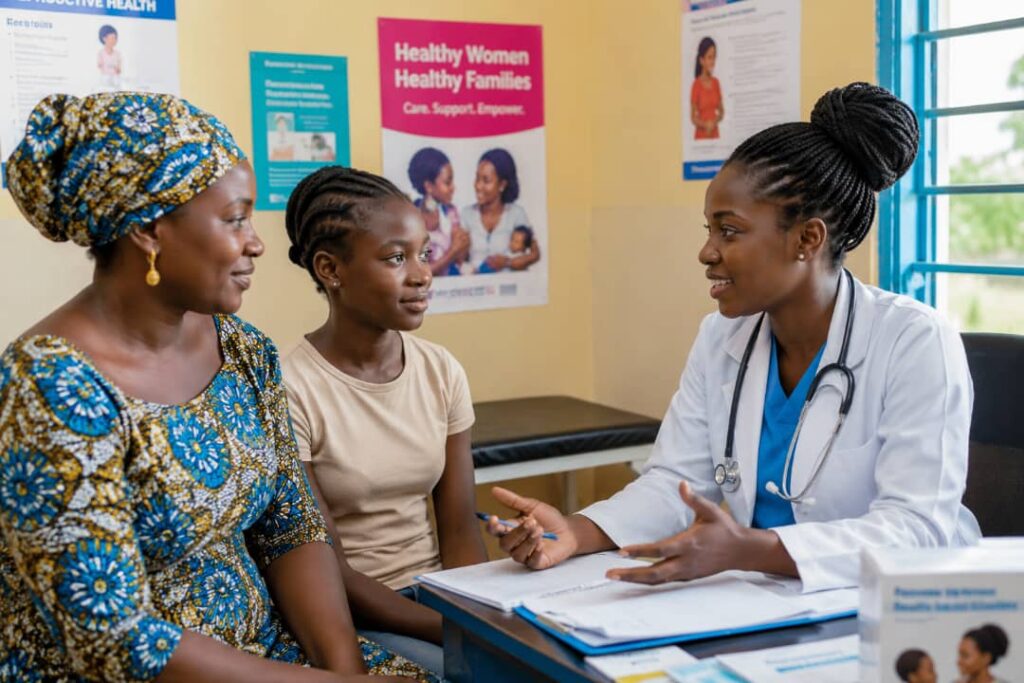
Women in conflict zones often face significant barriers to accessing healthcare, including reproductive health services and mental health support. This can exacerbate existing mental health issues, making it challenging for women to receive the care they need. Moreover, the lack of access to healthcare can have long-term consequences for their physical and mental well-being.
The Power of Social Support
Social support networks play a vital role in supporting women’s mental health and well-being in conflict zones. Family, community, and social networks can provide emotional support, practical help, and a sense of belonging. These networks can help women cope with trauma and stress and promote resilience and empowerment.
Coping Mechanisms and Resilience
Women in conflict zones use various coping mechanisms to deal with trauma and stress, including cultural and traditional practices. These mechanisms can help women find strength and resilience in the face of adversity. By understanding these coping mechanisms, we can develop more effective support systems that promote women’s mental health and well-being.
Conclusion
The mental health and well-being of women is a critical issue that requires attention and action. By understanding the complexities of their experiences, we can develop effective interventions, policies, and programs that support these women and promote their overall well-being. It’s time to recognize the unseen scars of conflict and provide women with the support they need to heal and thrive.
Let’s work together to support women’s mental health and well-being in conflict zones.