Introduction
Sexual Harassment on Girl Child in Schools
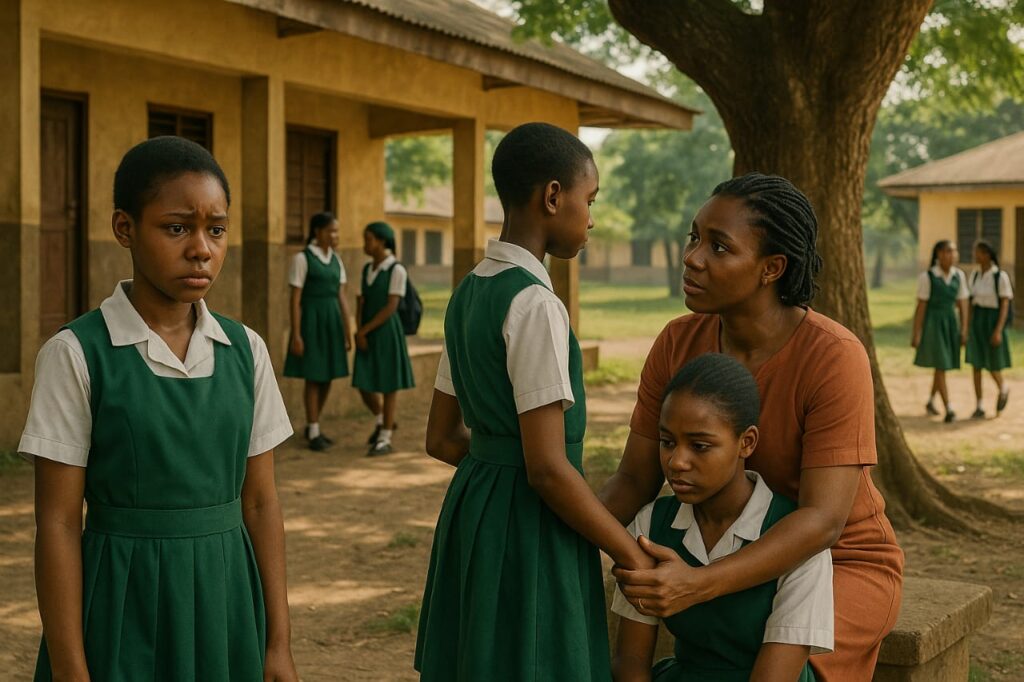
Sexual harassment in schools is a pervasive issue that affects many girl children worldwide. Education is a fundamental right of every child, and schools should be safe havens for growth, development, and learning. However, for many girls, schools are breeding grounds for fear, discomfort, and danger. Therefore, understanding the scope and consequences of this issue is essential for ensuring that every girl can learn without fear.
The Prevalence of Sexual Harassment in Schools
According to UNESCO and UNICEF reports, 1 in 3 girls in regions like sub-Saharan Africa, Asia, and Latin America face some form of sexual harassment in or around school environments. Moreover, this can take many forms, including:
– Verbal harassment: sexual comments, inappropriate jokes, or name-calling
– Non-verbal harassment: leering, gestures, or sharing sexual content
– Physical harassment: unwanted touching or sexual assault
– Online harassment: increasingly seen through digital learning platforms and social media
Perpetrators can include male classmates, teachers, school staff, and even individuals outside the school who interact with students. Consequently, it is crucial to recognize the power dynamics at play in these situations.
The Devastating Impact on the Girl Child
The impact of sexual harassment on the girl child is far-reaching and devastating, leading to:
– Educational setbacks: poor academic performance, higher dropout rates, and reduced classroom participation
– Emotional and psychological damage: anxiety, depression, low self-esteem, and trauma
– Health consequences: risk of STIs, early pregnancies, and unsafe abortions
– Social stigma and silence: victim-blaming and societal shame discourage reporting
As a result, it is imperative to address this issue promptly and effectively.
To create a safe and supportive learning environment, we need to take several steps, including:
– Implementing comprehensive sexuality education (CSE) to promote awareness about consent, rights, and personal boundaries
– Establishing and enforcing codes of conduct and reporting procedures
– Equipping teachers and staff to recognize and respond to abuse cases appropriately
– Creating safe learning environments with secure infrastructure, female staff presence, and student safety initiatives
– Empowering girls to speak out, know their rights, and build confidence
– Engaging parents, community members, and religious leaders in advocacy and sensitization programs
Conclusion
By acknowledging the scope and consequences of sexual harassment in schools, we can work together to prevent it and ensure that every girl can learn without fear. Ultimately, governments, schools, families, and communities must collaborate to create inclusive and empowering environments for girls, fulfilling the promise of education as a tool for transformation and liberation for every child.